Discover common issues with drum brake shoes, including wear, noise, and contamination. Learn how regular maintenance ensures safe, efficient braking.
Common Issues with Drum Brake Shoes
Drum brakes have been a staple in the automobile industry for decades, especially for rear braking systems. They have been relied upon due to their cost-effectiveness and simplicity compared to disc brakes. Despite their longevity and widespread use, they are not without their problems. Understanding the common issues with drum brake shoes can help you diagnose problems early and ensure the longevity of your vehicle's braking system. Early detection and maintenance can prevent minor issues from escalating into major repairs, saving both time and money.
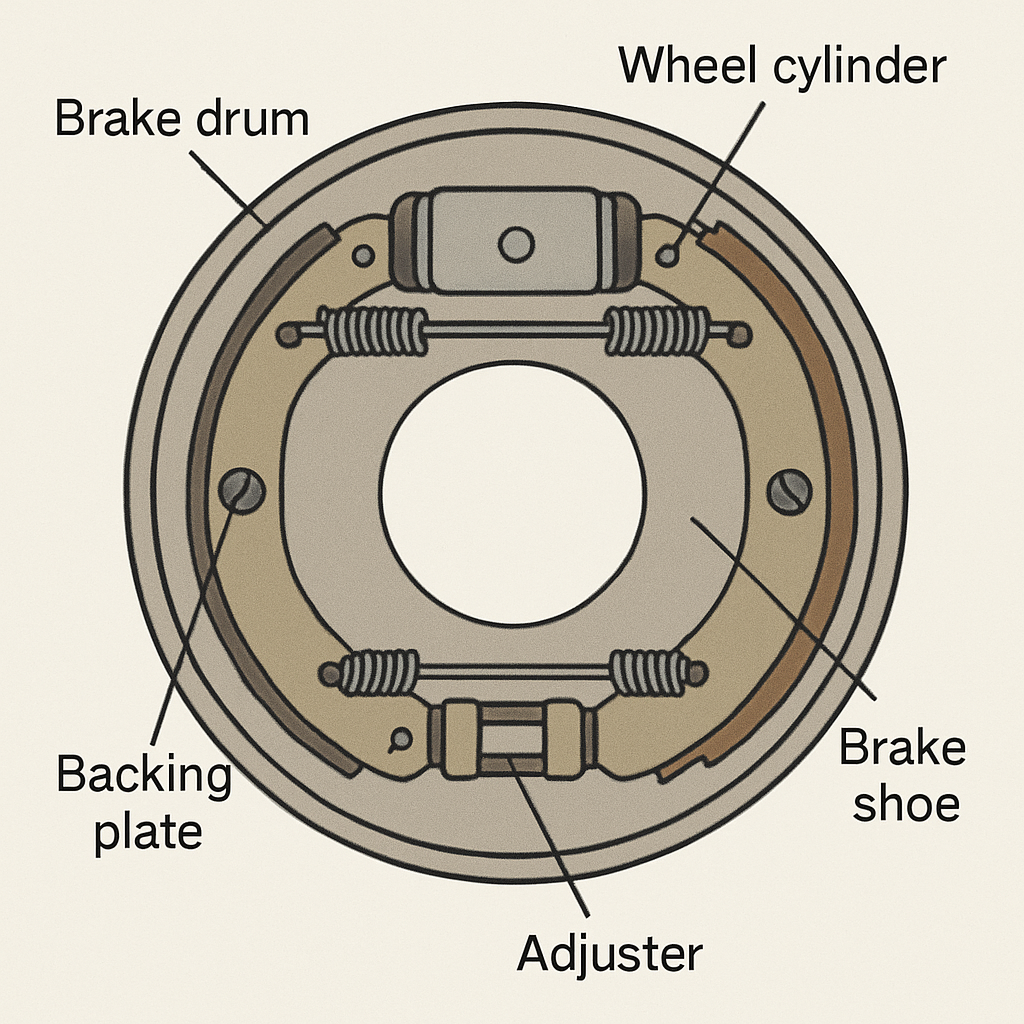 Drum brake shoes are an integral part of drum brake systems. They are curved, friction-coated components that press against the inner surface of the brake drum to slow down or stop the vehicle. Unlike disc brakes, which use calipers, drum brakes rely on brake shoes and drums to generate the necessary friction for stopping power. This setup is particularly effective in vehicles that require a durable yet less complex braking system.
Drum brake shoes are typically made of a sturdy metal backing plate and a high-friction material bonded to it. This friction material is crucial for effective braking, as it is the part that directly interacts with the brake drum. The design of drum brake shoes allows them to provide consistent and reliable performance, although they do require regular maintenance to function optimally.
How Do They Work?
When you press the brake pedal, hydraulic fluid is pushed into the wheel cylinder, forcing the brake shoes outward against the drum. This action creates the friction needed to slow down or stop the car. Over time, this friction wears down the brake shoes, leading to the need for replacement. The hydraulic system amplifies the force applied by the driver, making the braking process smooth and effective.
The efficiency of drum brakes depends heavily on the condition of the brake shoes. As the friction material wears down, the effectiveness of the brakes diminishes, requiring more force to achieve the same stopping power. This is why regular inspection and maintenance of drum brake shoes are crucial to ensure they perform as expected and provide the necessary safety on the road.
Common Issues with Drum Brake Shoes
Drum brake shoes can encounter several issues over time. Recognizing these problems early can prevent them from affecting your vehicle's overall safety and performance. Here are some common problems you might face:
Wear and Tear
One of the most common issues with drum brake shoes is wear and tear. As the shoes press against the drum, the friction material on them gradually wears down. If not replaced in time, worn brake shoes can lead to decreased braking performance and even damage the brake drum. This wear and tear are inevitable due to the constant friction and heat generated during braking.
Regular inspection of brake shoes can help determine the extent of wear and prevent further damage. In some cases, worn shoes can cause grooves or scoring on the brake drum, necessitating a replacement of both the shoes and the drum. Staying vigilant about the condition of your brake shoes can save you from costly repairs and ensure your braking system remains effective.
Brake Noise
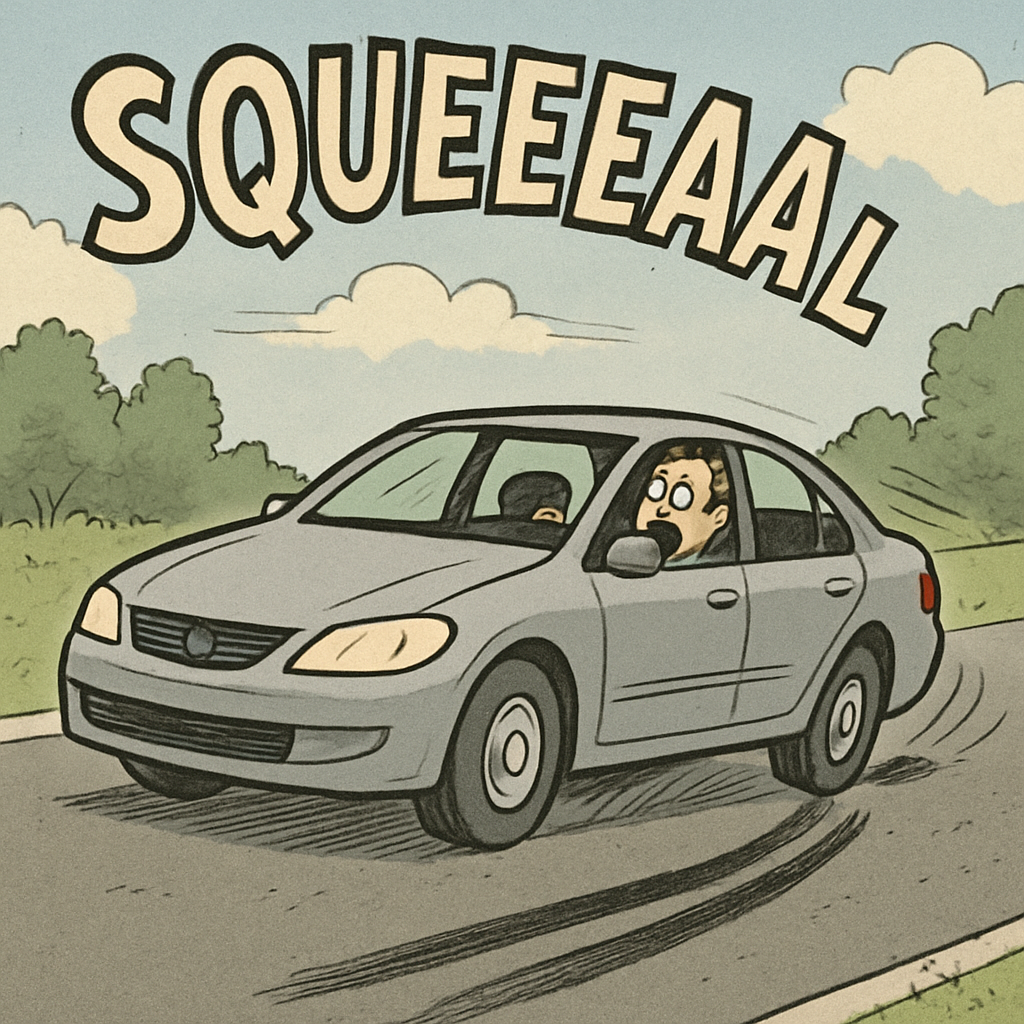 Squealing or grinding noises are often indicators of problems with drum brake shoes. Worn-out brake shoes can cause metal-to-metal contact between the shoe and drum, leading to these unpleasant noises. If you hear such sounds, it's crucial to inspect your brake shoes for wear and replace them if necessary. Ignoring these noises can lead to more severe damage and compromise the safety of your vehicle.
Additionally, foreign particles such as dust or small debris can get caught between the shoes and the drum, causing noise and potentially damaging the brake components. Regular cleaning and maintenance can help prevent such issues and keep your braking system in top condition.
Uneven Shoe Wear
Uneven wear on drum brake shoes can result from improper adjustment or a malfunctioning brake system. This issue can cause the vehicle to pull to one side when braking, leading to unsafe driving conditions. Regular inspections can help detect uneven wear early, allowing for timely adjustments or replacements. Ensuring that the brake shoes are evenly worn can prevent further complications and maintain balanced braking performance.
Uneven wear might also indicate issues with other components of the braking system, such as the wheel cylinder or return springs. Addressing these underlying problems can improve the overall function of the brakes and extend the life of the brake shoes.
Brake Fade
Brake fade is a temporary loss of braking power due to overheating. It can occur if the drum brake shoes are worn or if the drum is too thin. Brake fade reduces braking efficiency and can be dangerous if not addressed promptly. Drivers might notice that they need to press harder on the brake pedal to achieve the same level of stopping power.
Frequent or prolonged braking, especially in downhill driving or stop-and-go traffic, can exacerbate brake fade. Ensuring that your brake shoes and drums are in good condition and allowing them to cool down during intense driving conditions can help mitigate this issue.
Contamination
Oil, grease, or brake fluid contamination can compromise the friction material on drum brake shoes, leading to reduced braking performance. Contaminants can come from leaking wheel cylinders or axle seals, necessitating immediate repairs and cleaning to restore proper function. Contaminated brake shoes not only reduce braking efficiency but can also lead to uneven wear and damage to the drum.
Regularly checking for leaks and promptly addressing any signs of contamination can prevent further issues. Cleaning the brake components and replacing contaminated shoes are essential steps to maintaining a reliable braking system.
Drum Brake Shoe Replacement
 by Sneep Crew (https://unsplash.com/@sneepcrew)
Replacing drum brake shoes is a crucial maintenance task that ensures your vehicle's braking system remains reliable and efficient. Regular replacement helps maintain optimal braking performance and prevents potential safety hazards on the road.
When to Replace Drum Brake Shoes?
It's generally recommended to replace drum brake shoes every 30,000 to 70,000 miles, depending on your driving habits and vehicle type. However, if you notice any of the issues mentioned earlier, it's wise to inspect your brake shoes sooner. Factors such as frequent towing, heavy loads, or driving in mountainous areas can accelerate wear and necessitate more frequent replacements.
Monitoring the thickness of the friction material on the brake shoes is a good practice to determine when replacements are needed. If the material is worn down to an unsafe level, immediate replacement is necessary to maintain safe braking performance.
Cost of Replacement
The cost of drum brake shoe replacement can vary based on several factors, including the make and model of your vehicle and whether you perform the replacement yourself or hire a professional. On average, you can expect to pay between $150 and $400 for parts and labor. Performing the replacement yourself can save on labor costs, but it requires the right tools and knowledge.
Choosing quality parts is essential for ensuring long-term performance and safety. While opting for cheaper alternatives might save money initially, it can lead to more frequent replacements and potential safety risks.
Steps for Replacing Drum Brake Shoes
- Prepare Your Vehicle: Park on a level surface, engage the parking brake, and place wheel chocks behind the front wheels. Ensuring your vehicle is stable is crucial for safety during the replacement process.
- Remove the Brake Drum: Loosen the lug nuts, lift the vehicle with a jack, and remove the wheel. Then, remove the brake drum to access the brake shoes. This step may require additional tools if the drum is stuck due to rust or wear.
- Inspect and Replace the Brake Shoes: Check the condition of the brake shoes, springs, and other components. Replace worn or damaged parts with new ones. It's a good practice to replace springs and other hardware to ensure optimal performance.
- Reassemble the Brake System: Reinstall the brake drum and wheel, ensuring all components are properly aligned and secure. Proper alignment is essential to prevent uneven wear and ensure effective braking.
- Test Your Brakes: After reassembly, test your brakes at low speed to ensure they are functioning correctly. This step verifies that all components are working together as they should and that the brakes are safe for driving.
Maintaining Your Drum Brakes
Regular maintenance is essential for keeping your drum brakes in top condition and preventing common issues. Consistent care can extend the lifespan of your brake components and improve overall vehicle safety.
Inspect Regularly
Regular inspections can help you catch problems early and avoid costly repairs. Check your brake shoes, drums, and related components for wear and damage every 6,000 to 12,000 miles. Early detection of issues like uneven wear or contamination can prevent more severe problems down the line.
During inspections, look for signs of wear on the friction material and any cracks or damage to the drum. Keeping a record of these inspections can help track wear patterns and anticipate future maintenance needs.
Clean and Lubricate
Keeping your drum brake components clean and properly lubricated can extend their lifespan and improve performance. Remove any dirt, dust, and debris from the brake assembly, and apply high-temperature grease to moving parts. Clean components work more efficiently and are less prone to premature wear.
Lubrication reduces friction between moving parts, preventing excessive wear and ensuring smooth operation. Regular cleaning and lubrication can prevent issues caused by contamination and keep your brakes functioning optimally.
Adjust the Brake Shoes
Proper adjustment ensures that the brake shoes make uniform contact with the drum, preventing uneven wear and enhancing braking performance. Manual adjustment may be necessary if your vehicle's brake system does not automatically adjust. Ensuring the shoes are correctly aligned can prevent pulling to one side and improve overall braking efficiency.
Regular adjustments can compensate for wear in the brake shoes and maintain consistent stopping power. Following the manufacturer's recommendations for adjustments can ensure your brakes perform as expected.
Conclusion
Understanding the common issues with drum brake shoes and knowing how to address them can help you maintain a safe and reliable braking system. Regular inspections, timely replacements, and proper maintenance are key to ensuring your drum brakes continue to perform effectively. Being proactive about brake maintenance can prevent unexpected failures and improve your vehicle's safety.
By staying proactive and addressing any issues as they arise, you can keep your vehicle safe on the road and extend the life of your drum brake system. Whether you're a DIY enthusiast or prefer professional assistance, taking care of your drum brakes is a worthwhile investment in your vehicle's safety and performance. Proper maintenance not only enhances safety but also contributes to a smoother and more enjoyable driving experience.


 Drum brake shoes
 Squealing or grinding noises are often indicators of problems with
  by Sneep Crew (https://unsplash.com/@sneepcrew)


