
2026-10-19

When you hear an unsettling grinding noise coming from your brakes, it can be both alarming and confusing. Understanding the possible causes of brake grinding can help you address the problem promptly and effectively. In this guide, we will explore why your brakes might be grinding and how to diagnose these issues.
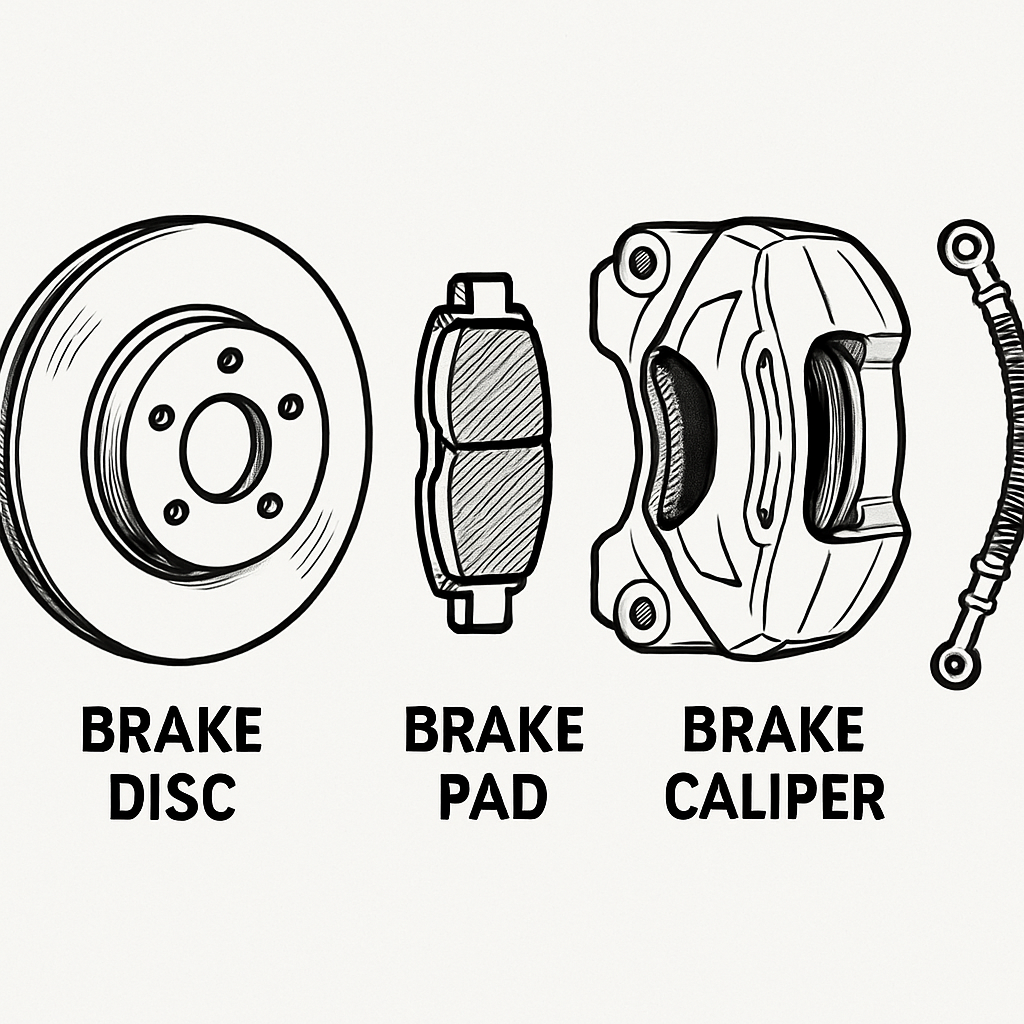 Brake grinding typically indicates a problem with your car's braking system. It’s a sign that something is not quite right and needs attention. Ignoring these noises can lead to more serious damage and costly repairs.
1. Worn-out Brake Pads: The most common reason for brake grinding is worn-out brake pads. Brake pads are designed to wear down over time and must be replaced periodically. If they wear down completely, the metal backing plate can contact the brake rotor, causing a grinding noise.
2. Debris Between the Pad and Rotor: Sometimes, small debris such as stones or dirt can get caught between the brake pad and rotor. This can cause a grinding or scraping sound when you apply the brakes.
3. New Pads or Rotors: If you've recently had your brake pads or rotors replaced, you might hear some grinding while they settle in. However, this should not last long. If the noise persists, it’s worth having them checked.
4. Low-Quality Parts: Using low-quality brake pads or rotors can also lead to grinding noises. These parts may not perform as well and can cause issues with your braking system.
5. Rust or Corrosion: If your vehicle has been sitting for a while, rust can form on the rotors. The first few times you brake, you might hear a grinding sound as the rust is scraped off.
Understanding the type of noise you hear can help diagnose the problem. Here are some different sounds you might hear and what they might mean:
Start by inspecting your brake pads. If they are thin or completely worn down, this is likely the cause of the grinding noise. Replace them with high-quality pads to ensure longevity and performance.
Inspect the area between the brake pad and rotor for any debris or foreign objects. Remove any debris carefully and check if the grinding noise persists.
Inspect the rotors for any rust, grooves, or damage. If you see any issues, you might need to have them resurfaced or replaced. Rust on rotors is common if the vehicle has been unused for some time.
If you have recently had your brakes serviced, consider whether low-quality parts might have been used. Poor-quality brake pads and rotors can lead to persistent grinding noises. Consult with your mechanic about the parts used in recent repairs.
After inspection and any necessary repairs or replacements, take your car for a test drive. Pay attention to any sounds and how the brakes feel. If the grinding noise continues, further inspection by a professional may be necessary.
While some brake issues can be resolved with simple inspections and maintenance, others require professional assistance. If you are unable to diagnose or fix the problem yourself, it's essential to consult with a professional mechanic. They have the tools and expertise to accurately diagnose and repair any issues with your braking system.
Regular maintenance and proper care can prevent many brake issues. Here are some tips to keep your brakes in good condition:
Brake grinding is a serious issue that should never be ignored. By understanding the common causes and knowing how to diagnose these issues, you can ensure your vehicle remains safe and reliable. Regular maintenance and using quality parts are key to preventing brake issues and ensuring your vehicle stops safely when you need it to. If you encounter persistent problems, don't hesitate to seek professional assistance for your peace of mind and safety on the road.


