2026-10-19

Two important components in this symphony of stopping power are the Jake Brake—formally known as the Jacobs Engine Brake—and traditional friction brake pads. Even though they work on completely different principles, their combination really boosts driver confidence, vehicle endurance, and helps with regulatory compliance. This friendly guide looks at how these components work together, why their partnership is important for fleet operators in 2025, and offers practical tips to enhance their performance. No matter if you’re driving a long-haul semi or overseeing a delivery fleet, getting to know this pair can help you avoid expensive downtime and keep your rig running longer.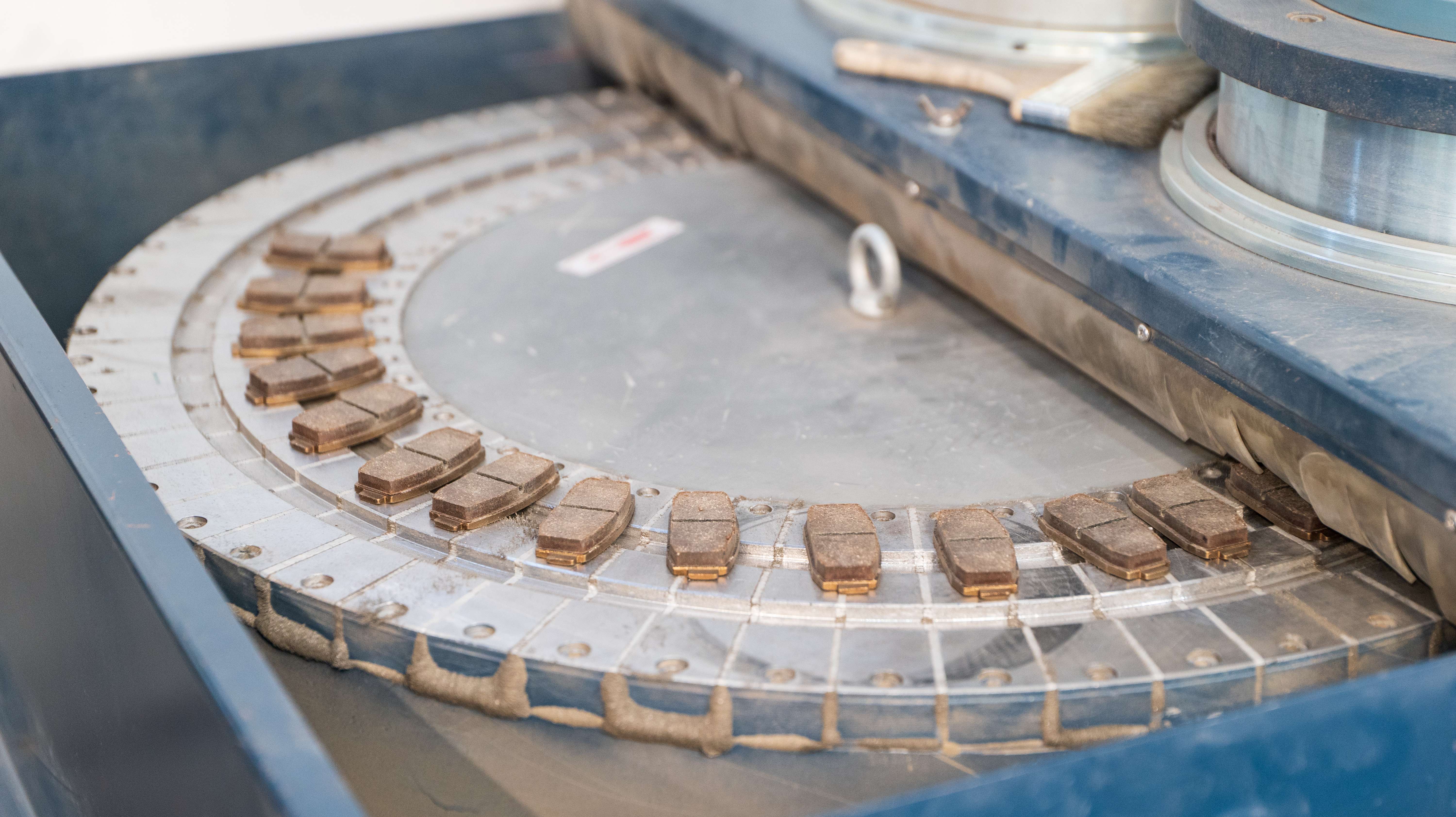
Jinli Brake Pads, available at jinlibrake.com, are designed as a leader in durable braking solutions. They work wonderfully with engine retarders like the Jake Brake, featuring low-dust, high-friction ceramics that stay strong and resist fade even during long descents. Let’s explore the mechanics, benefits, and maintenance of this amazing tandem together!
First, let’s start with a quick overview: The Jake Brake isn’t actually a wheel brake—it’s an engine retarder that uses the diesel engine’s compression stroke to help slow down the vehicle without depending on the service brakes. Created by Jacobs Vehicle Systems in the 1960s, it’s a key feature in Class 8 trucks, offering auxiliary braking force that matches 200-400 horsepower of retardation.
In 2025, with stricter emissions regulations and more electric-hybrid haulers coming into the market, Jake Brakes have adapted to feature quieter operation (to meet noise ordinances in urban areas) and integration with predictive cruise control for smooth downhill assistance.
On the bright side, brake pads are the hardworking heroes of your wheel braking system, pressing against rotors to turn kinetic energy into heat through friction. Trucks are designed to be tough and can handle payloads over 80,000 pounds GVWR.
Front pads handle 70-80% of the load because of weight transfer, typically lasting between 50,000 and 100,000 miles in line-haul operations, while rear pads can last up to 150,000 miles.
Picture yourself going down a 6% grade with a fully loaded trailer—the Jake Brake steps in, bringing the engine down to 1,200 RPM and reducing your speed by 5-10 mph without even touching the pedal. This helps to extend the life of the brake pads, but when traffic calls for a quick stop, the pads engage for accurate control. Their interaction goes beyond just adding up; it really boosts safety and efficiency in a big way.
- **Brake Pads as Finisher**: Perfect for those quick, sharp stops when engine braking just isn't enough—like when you're merging or making a quick move to avoid something. Their quick torque response helps keep things stable.
Heat Management Duo Engine retarders work to dissipate energy internally (through the exhaust), helping to keep wheel temperatures below 400°F. Pads that aren’t always in use help prevent thermal runaway. According to studies from the Technology & Maintenance Council (TMC), fleets that utilize both experience a 25% reduction in rotor replacements.
Integration in Modern ECMs
Trucks in 2025 come with Electronic Control Modules that seamlessly combine the two: Jake kicks in at 70% throttle-off, smoothly working together with the ABS-modulated pad application. In wet or icy conditions, this helps to prevent skids by spreading the force evenly.
Savings on Fuel and Emissions
By reducing pad wear (and therefore drag), the combination enhances MPG by 2-3%. Reducing brake dust also helps meet EPA particulate standards.
Here’s a real-world example: A 2024 FHWA report on I-70 descents discovered that rigs equipped with Jake and Jinli ceramic pads enjoyed an impressive average pad life of 75,000 miles—twice as long as those with friction-only setups.
In a time of driver shortages and increasing insurance costs, optimizing brakes is essential for smooth operations.
For electric semis like the Tesla Semi, Jake-like motor regen takes on the engine role, but friction pads are still important for low-speed control—showing how versatile this principle can be.
Lifespans can differ, but keeping an eye on things is really important!
Things like hilly roads or synthetic oils can increase wear—expect to log 10% more if you’re towing twice the gross vehicle weight.
Pay attention to these red flags, as an incompatible pair can lead to challenges:
Check out the pads through the hubcaps, and let’s take a look at Jake’s health with an oil analysis for any metal particles.
Precision fitment brings everything together beautifully.
Here’s the cost breakdown: Jake retrofit is around $4,000, which includes labor, and the pad swap ranges from $400 to $800 per axle.
Let’s keep the partnership strong with these routines:
Use fleet telematics for predictive alerts to catch wear before it becomes a problem.
DIY has its boundaries—it’s a good idea to reach out to experts for: - Ongoing vibrations or error codes.
ASE-certified shops that offer dynamometer testing make sure everything runs smoothly after service.
In 2025’s challenging logistics landscape, the Jake Brake and brake pads work together as allies, creating safer and more efficient roads. This team helps save money, increase efficiency, and keep everyone safe by taking care of downhill tasks and ensuring friction is available for emergencies. Get your fleet ready with Jinli Brake Pads from jinlibrake.com, featuring ceramics that can handle Jake’s relentless assist.
Key Takeaways: - Jake: Engine compression for a gentle slow-down.
Check your setup today—because in trucking, having great stopping power saves more than just time.
If you’re looking for some practical advice, check out jinlibrake.com or visit your local heavy-duty specialist!
✓ Jake reduces engine RPM by releasing exhaust.
✓ Pads hold the rotors in place for wheel torque.
✓ Together: Heat split, wear reduction.
✓ Check: 50k miles pads, 500k Jake.
Great news! You can save $1,500 per truck each year.
✓ Safety Boost: Compliant with FMCSA grades.
✓ Jinli Ceramics: A perfect match that stays vibrant.
Experience enhanced braking with Jinli—take your ride to the next level!
Q: What are Jinli’s bulk pricing structures for heavy-duty brake pads compatible with Jake systems? A: Tiered discounts start at 100 units: Enjoy 25% off for orders between 100 and 499, and save up to 45% on orders of 1,000 or more! Hey there! Custom kits for Freightliner and Peterbilt begin at just $120 per axle wholesale. Feel free to email jinlibrake.com for quotes!
Q: What ways does Jinli help with co-marketing for Jake Brake integration campaigns? We offer a variety of ready-to-use assets, including trucker testimonial videos, POS displays, and rebate programs that connect pad sales to retarder installations. Partners are experiencing a delightful 15% increase in cross-sells!
Q: What are the lead times and logistics options for distributor orders? A: Stocked HD lines typically ship within 24-48 hours using LTL carriers, while international orders take about 5-10 days to arrive. Enjoy free freight on U.S. orders over $10k, with drop-shipping to your depots!
Q: Are there performance guarantees for Jinli pads in Jake-heavy applications? A: Absolutely! We offer a 2-year/200,000-mile warranty against fade or uneven wear, supported by dyno-tested data that demonstrates 20% better heat dissipation with engine retarders.
Q: How can distributors access exclusive Jake Brake training modules? A: You can find them on our partner portal! We offer free webinars on synergy maintenance, along with certified installer kits. Top volume receives branded Jake-Jinli co-op ads.