
2026-04-10

When your car’s brakes start to make noise, it can be both annoying and concerning. A common issue drivers face is brakes that squeak, especially at low speeds. If you’ve ever wondered, “Why are my brakes squeaking?” or “Is it normal for brakes to squeak?”, you’re not alone. Let’s break down what causes this sound and what you can do about it.
Brakes can squeak for various reasons, and it doesn’t always mean there’s a serious problem. Here are some common causes:
1. Moisture and Cold Weather
It’s not unusual for brakes to squeal in the morning or after a rainstorm. Moisture can cause a thin layer of rust to form on the brake rotors, and when you start driving, the rust gets scraped off, causing a squeaking sound. This is typically harmless and should go away after a few uses.
2. Brake Pad Material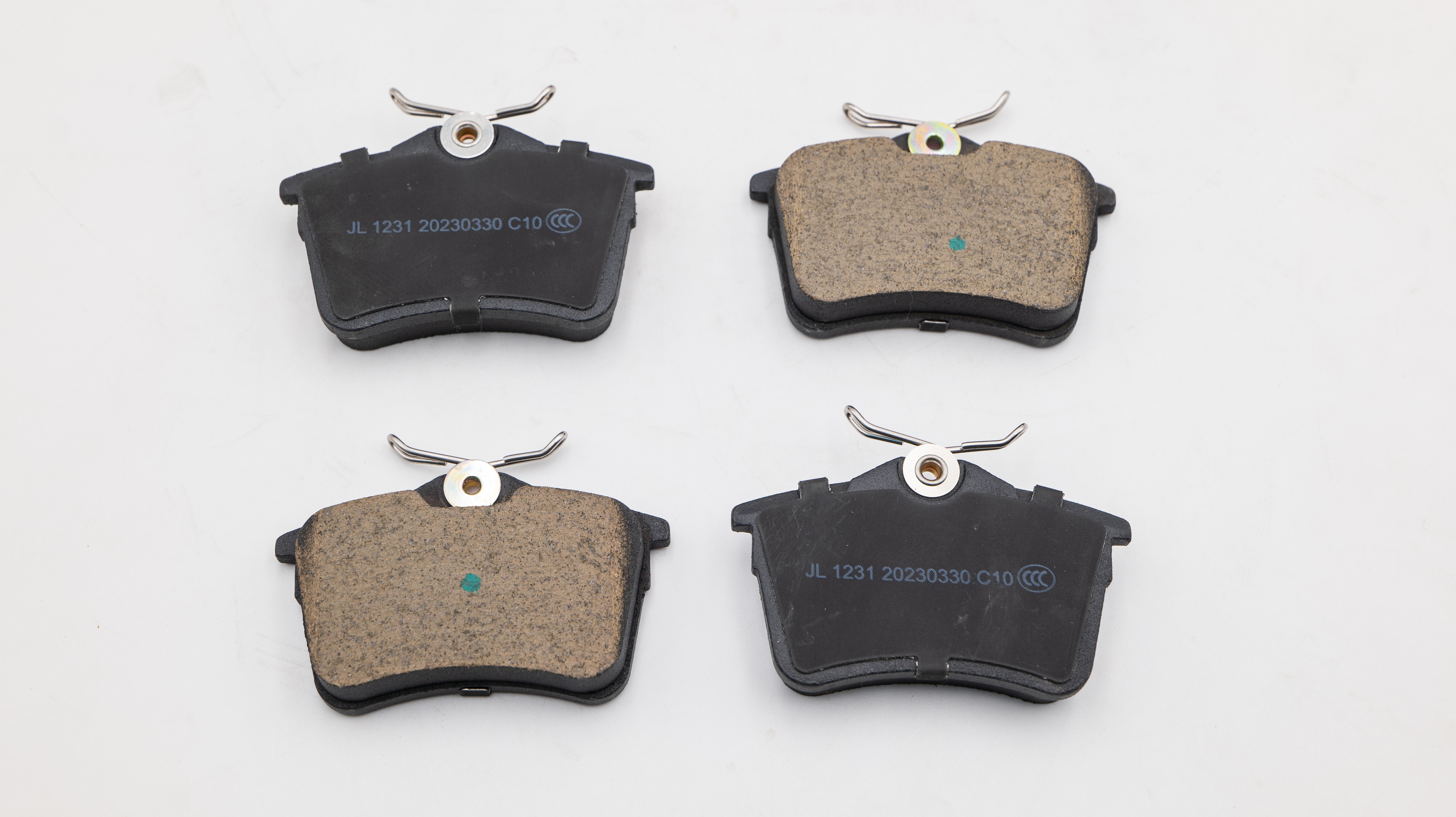
Different brake pads are made from different materials. Some materials, like metal composite brake pads, can produce more noise than others. High-performance brake pads, which are often used in sports cars, may also be noisier. If your brakes squeak when stopping, it could simply be the type of brake pad you have.
3. Worn Brake Pads
Brake pads have a built-in wear indicator that produces a squeaking sound when the pads are getting low. This is a warning sign that it’s time to replace them. If you hear a high-pitched squeal when braking, it’s worth checking if your brake pads are worn out.
4. Dirt and Debris
Sometimes dirt, dust, and debris can get caught between the brake pad and rotor, causing a squeaky noise when braking. Regular cleaning and maintenance can prevent this.
5. Glazed Rotors or Pads
If the brake pads or rotors get too hot, they can become glazed, which means they are smooth and shiny. This can cause squeaking when you apply the brakes. Glazing often occurs if you frequently brake hard or drive in stop-and-go traffic.
Is It Normal for Brakes to Squeak?
Occasional squeaking can be normal, especially if it’s due to moisture or dust. However, constant or very loud squeaking might indicate a problem that needs addressing. It’s always best to err on the side of caution and have your brakes inspected by a professional if you’re unsure.
How to Get Rid of Brake Squeal
If you’re tired of hearing that squeaky noise from brakes, here are some steps you can take to fix it:
1. Use Brake Lubricant
A special brake lubricant can be applied to the back of the brake pads to reduce noise. This lubricant helps reduce the vibration that causes squeaking.
2. Replace Brake Pads
If your pads are worn out, replacing them is the best solution. Opt for high-quality brake pads that are designed to be quieter.
3. Clean Your Brakes
Regular cleaning can prevent dirt and debris from causing noise. Use a brake cleaner spray to clean the rotors and pads without removing them.
4. Check Brake Components
Have a mechanic inspect your brakes to ensure that all components are in good condition. Sometimes a loose part can cause noise.
Why Do My Brakes Squeal in the Morning?
A common question is “Why do my brakes squeal in the morning?” The answer is often related to moisture. Overnight, dew or rain can cause rust to form on the rotors. This rust is quickly worn away when you start driving, but it can cause a squeal in the meantime.
When to See a Mechanic
While some brake noise is normal, persistent squeaking should be checked out. If you hear a grinding noise, it might mean the brake pads are completely worn down, which can damage the rotors. Regular brake inspections will help ensure everything is functioning correctly.
Conclusion
Understanding why brakes squeak at low speeds can help you determine whether the noise is a minor annoyance or a sign of something more serious. By maintaining your brakes and addressing issues promptly, you can ensure a safer and quieter driving experience. Remember, when in doubt, it’s always a good idea to consult with a professional mechanic to keep your vehicle in top shape.


