
2026-06-18

I’ve helped other enthusiasts navigate this procedure as an experienced technician with more than ten years of practical experience in auto repairs. In addition to saving you a lot of money on labor (about $200 to $400 each axle), it also gives you more confidence to handle maintenance in the future. We’ll go over all of the necessary and optional tools for changing brake pads in this thorough tutorial, so you’ll have everything you need for a safe and effective job. This post uses tried-and-true methods to help you succeed, regardless of whether you’re new to the process or updating your toolset.
Purchasing high-quality tools will position you for long-term independence. These aren’t one-time purchases; you may use them for spark plug replacements, oil changes, and more. Let’s get started with the essentials, which have been simplified and made clearer for anyone looking for “tools needed to change brake pads.”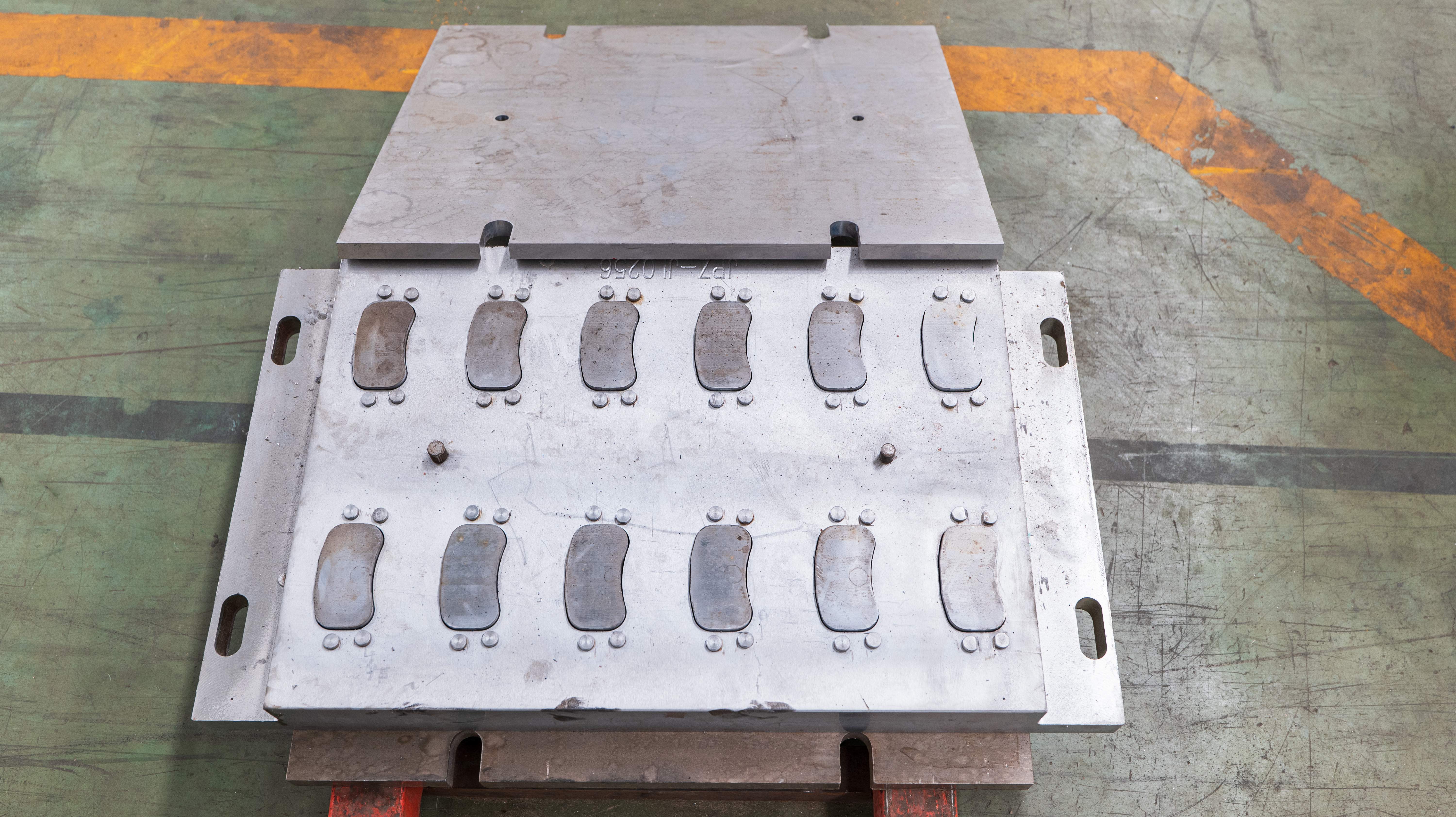
Here’s a brief overview before we list the tools: The friction material that presses against your rotors to slow your car is called brake pads. They deteriorate with time, losing safety and stopping force. For the majority of sedans and SUVs, replacing them usually takes one to two hours per axle.
Expert Advice Based on Experience: To ensure stability, always operate on one wheel at a time. For torque specifications and methods, refer to your car’s service manual. Safety first: make sure everything is in working order because the brakes are crucial.
Let’s move on to the tools. I’ve divided them into necessities (things you must have) and useful extras (things that make the task easier). A starting set costs between $200 and $500, but it quickly pays for itself.
These are things that cannot be negotiated. You’ll find it difficult to finish the task securely and accurately without them. Based on actual testing on a variety of car makes, I’ve chosen robust, adaptable alternatives.
###1. Safety eyewear
When doing any under-car labor, eye protection is crucial. Unexpected debris, rust, and brake dust can fly, particularly when removing old pads or loosening fasteners. For complete coverage, choose glasses with side shields and an ANSI Z87.1 rating.
Why It’s Important: One accident might put you out of commission for good. Without the right equipment, we’ve witnessed minor annoyances in my shop evolve into major ones.
Suggestions: lenses that are clear or colored for every type of lighting. For humid garages, combine with anti-fog coating.
Older versions of brake pads, particularly semi-metallic ones, emit dangerous dust that contains fibers similar to asbestos (although current pads are safer). 95% of airborne particles are blocked with a N95-rated mask, avoiding respiratory problems.
Expert Opinion: Before upsetting pads, put on a mask because prolonged inhalation of brake dust might be harmful to your health. Upgrade to a half-face respirator with organic vapor cartridges if you work frequently.
Your best bet for caliper bolts and banjo fittings is a multipurpose set of open-end and box-end wrenches. Start with metric measurements ranging from 7mm to 22mm and SAE sizes ranging from 1/4" to 1". While most cars utilize a combination, more recent imports tend to use metric.
Practical Advice: Durability is guaranteed by chrome-vanadium steel. By decreasing rounding off bolts, a frequent rookie error that I’ve corrected more times than I can remember, the box end holds firmly.
Hex-head and star-shaped fasteners on calipers and brackets are handled by these L-shaped or socket-style tools. Hex sizes range from 3 to 10 mm, while Torx sizes range from T15 to T50.
Some European automobiles swear by Torx, so make sure to check your caliper bolts beforehand. For confined locations, a foldable hex key set is small.
The foundation of any mechanic’s toolbox. Lug nuts, caliper pins, and other items are covered by a 3/8-inch drive ratchet with shallow and deep sockets (SAE and metric). To expedite swaps, look for quick-release devices.
From the Field: In cramped wheel wells, I always reach for a 72-tooth ratchet for precise control. Combo packages frequently include universal joints and sockets with extensions, making them perfect for novices.
Drivers for Torx, Phillips (#1–#3), and Flathead pry clips, take off coverings, and modify machinery. Dropped screws are kept from disappearing into the undercarriage using a magnetic-tip set.
Expert Tip: Purchase insulated handles to provide comfort during prolonged use. These aren’t only for braking; you’ll use them every day.
It is imperative that you lift your car securely. Three-ton jack stands offer steady support, while a two to three-ton hydraulic floor jack raises the corner. The jack is only for lifting, not for holding, so never rely on it alone.
Prioritize safety: Position stands on level terrain, chock the opposing wheels, and rock the vehicle to check for stability. Trucks are handled by high-lift jacks, whereas lowered cars are suited for low-profile jacks.
In an emergency, the original tire iron can be used, but for tough lugs (usually 80-100 ft-lbs torque), a 4-way lug wrench or 21mm impact socket with breaker bar provides more leverage.
Suggestions for Upgrade: Back strain is lessened with a telescopic wrench. An electric impact wrench helps professionals save time on the job.
90% of brake jobs can be completed with these basic tools. Approximately $150 to $300 for high-quality fundamentals.
These improve your accuracy and efficiency, transforming a job into a professional-caliber fix. In my own garage, I have utilized them to reduce work time by thirty percent.
Without one, it is difficult to compress pistons in order to fit fresh pads over rotors. While a C-clamp substitute is effective for fronts, a wind-back tool (for rear calipers with parking brakes) twists and pushes simultaneously.
Why Bother? Do-it-yourself techniques run the danger of breaking seals. If you’re experimenting, you may rent one from Jinli’s Loan-A-Tool service; it’s revolutionary for integrated systems.
Expert Note: Failures result from either too much or too little torque. I have a post-DIY diagnosis. For accuracy, calibrate once a year. See [How to Use a Torque Wrench] (link-to-guide) for further information.
Cleaning is made simple with disposable, chemical-resistant gloves that keep dirt at bay. A hundred pieces last for months; powder-free for sensitive skin.
A personal favorite of mine is: They are essential to my workflow; I only use my bare hands in dire situations.
These upgrades cost between $100 and $200, but they improve comfort and quality.
Early wear detection prevents crises. Trust your senses, even though modern cars frequently use sensors to dash-warn:
When the rotor is about 3/32" thick, a wear indicator tab scrapes it, indicating that it needs to be replaced.
It is necessary to replace out the pads under 4/32" (including the backing plate) after removing the wheel. Use a calliper to measure.
Diagnostic Advice: Check once a year or every 10,000 miles. Inconsistent wear? Look for calipers that are stuck.
Here is a high-level procedure utilizing your new tools for completeness:
**Warning about bleeding brakes while opening the system. For automobiles with ABS, speak with an expert.
The first step to becoming independent with your car is learning brake pad changing tools. Each component increases your level of skill, from torque wrenches that guarantee dependability to safety glasses that protect your vision. Check out Jinli’s collection for bundles that suit any budget; we have long-lasting, reasonably priced choices to help your initiatives.
Keep in mind that safe brakes save lives. If you’re not sure or if symptoms continue, go to a certified store. What will you fix next? Happy wrenching, and please share in the comments!


