
2026-10-19

They come with or can be used with special brake pads that are made to handle the rough conditions of trails, mud, and steep descents. These pads, which are usually made of sintered or high-performance compounds, are made to last and keep stopping even in rough circumstances. Normal brake pads, which are usually organic or semi-metallic and found on standard street bikes, on the other hand, rely on smooth, everyday modulation over tough resilience. You can use this guide, along with product specs and expert opinions, to figure out if Beta’s off-road-ready pads are right for your mixed-use activities. Knowing these differences will help you stop with confidence whether you’re riding on single-track trails or in city traffic.
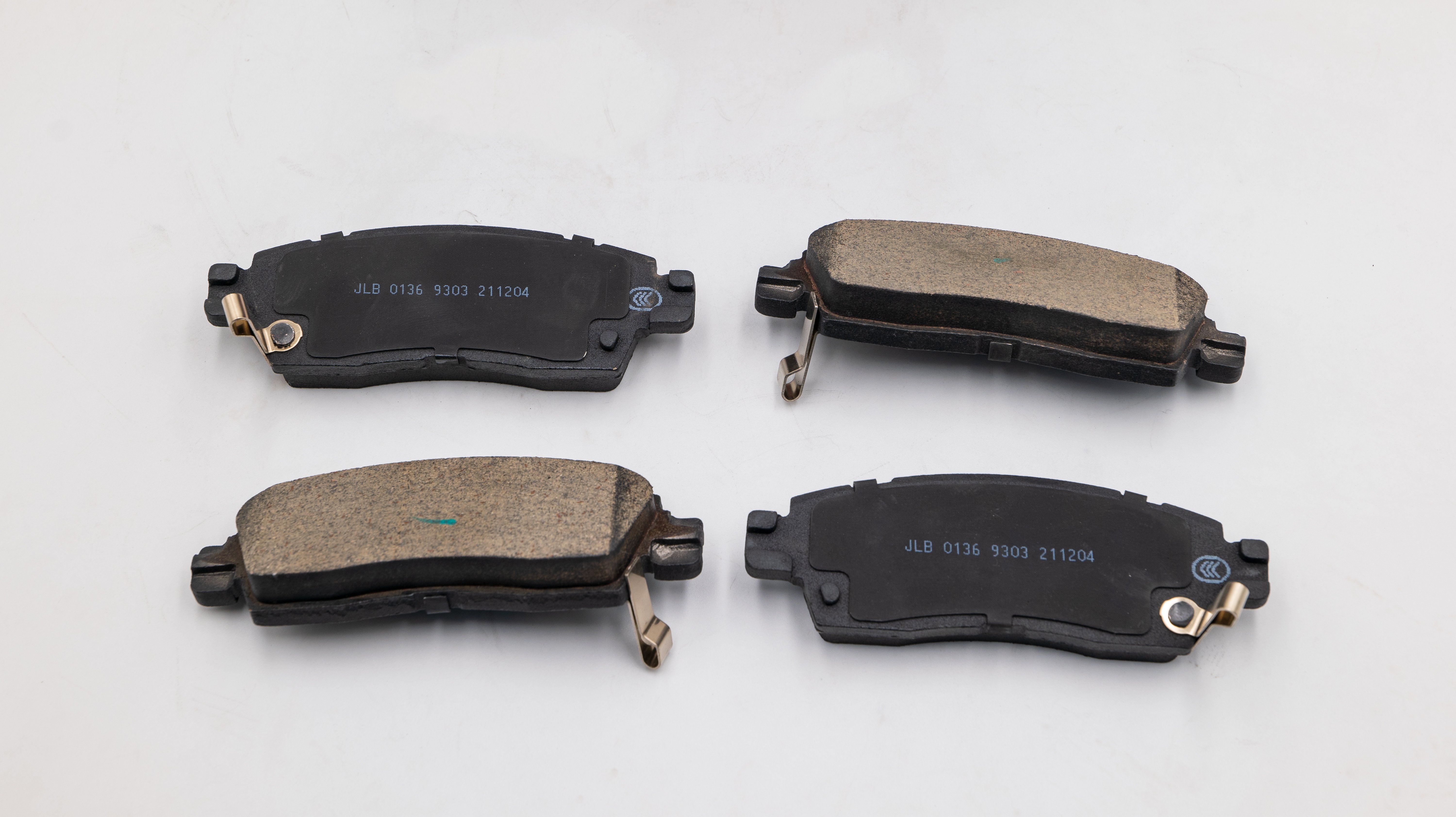
The makeup of a brake pad is what makes it work, and this is where Beta brake pads are very different from other types. Beta-compatible pads, like the DP321 Pro-MX or the EBC EPFA185HH Front Brake Pads, are mostly made of metal mixtures that have been sintered. When you sinter high-friction metals like iron, copper alloys, and graphite under a lot of heat and pressure, you make a thick, porous structure that doesn’t crack or delamination. This method makes pads with a friction coefficient of up to 0.6, which gives them a strong initial bite that works well for loose dirt or roots that are still wet. A lot of Beta products, like the Braking CM46 Rear Brake Pads, have ceramic heat covers that make them even more thermally stable. This keeps heat from moving to the fluid when you’re stopping slowly going downhill for a long time.
Normal brake pads, on the other hand, are made of resins, rubber, Kevlar strands, glass fillers, and they are bonded to a steel backing plate. These have a softer, more progressive feel that works great on smooth road because the linear feedback keeps the wheels from locking up. Normal semi-metallic pads are in the middle. They have 30-65% metal content to make them more resistant to heat, but they still put low cost and low noise over long-term longevity. Unlike Beta’s metal-heavy sinters, organics easily soak up contaminants, which causes them to swell in muddy conditions. This isn’t a problem for sintered Beta pads, though, because they don’t absorb water because they have hydrophobic chemicals. For Beta riders, this material edge means that pads with zirconium-based ceramics, like the Moose Racing XCR Rear, last 2-3 times longer in rough conditions than regular organic pads.
To put it simply, Beta brake pads are made to be used hard, while regular pads are more concerned with comfort and cost for smoother surfaces.
Beta brake pads are great because they always work, even when other pads fail, which can happen in different off-road situations. For example, the Galfer Beta Front Brake Pads have a high-sintered compound that keeps 90% of the torque after 500°F, so they can stop without fade even after repeated hard applications on tricky descents. This is very important for enduro riders who have to go through quick water crossings or sand pits. The high friction rate of the pads lets them change quickly without glazing. The ceramic shield on the DP SDP321 adds another layer. It cuts the distance needed to break in to less than 50 miles and allows for instant reaction in cold starts, which is very important for dawn patrols in cold forests.
Normal pads, on the other hand, work best on dry streets because they have a soft initial bite that lets you control the car precisely without harsh grabs. But organics don’t work well in wet or hot conditions because they soften in hot weather, which makes stopping distances longer by 15 to 20 percent. They also need more general lever pressure. Semi-metallics are better because they bite better in all weather, but they can squeal when they get dirty, which is a regular problem on rainy commutes. This isn’t true for Beta’s sintered lineup or the EBC HH series, which performs just as well in wet conditions as they do in dry ones thanks to lubricants that react on contact. Beta pads make stops that aren’t always safe into solid anchors for street riders who go off-road. They are much more sensitive than normal pads.
One great thing about Beta brake pads is that they can last for a long time, even after a lot of miles of damage off-road. Products like the Beta Heat Resistant Rear Brake Pads are made of sintered materials that can last for 30,000 to 50,000 miles on a variety of terrain. This is possible with low-abrasive binders that keep the pads from glazing and make them last longer. For example, the Braking CM46 has been race-tested in harsh conditions and has outlasted rivals by not scoring the rotors even after seasons of being hit with rocks. The sintering process makes a strong core that doesn’t crack easily when it’s shaken, which is great for Beta’s RR and XTrainer models that ride on rough trails.
Normal organic pads are cheaper at first ($20 to $40 per set), but they wear out faster after 10,000 to 20,000 miles, especially when the car is loaded, making a lot of dust that speeds up the building of caliper dust. Even though semi-metallics last up to 30,000 miles, they still need to be inspected more often because metals still shed. Beta’s advantage lies in cost-per-mile: a set like the Moose XCR may cost 20–30% more at first, but it only needs to be replaced half as often, which saves committed riders time and money. Rotor life is also improved—Beta sinters work best with stainless rotors, which means that hardware gaps are 20–30% longer than with organics because the contact is softer.
##Pros and Cons: Noise, Dust, and Rotor Impact
Like sintering brake pads, beta brake pads have some problems. Their aggressive chemicals can make a low hum or squeal during light street modulation. This is because metal-on-rotor vibrations happen at 2–5 kHz, which is louder than the ultra-quiet operation of organics. Another issue is dust. Beta pads like the DP Pro-MX make fine particles that settle on spokes, so they need to be cleaned every two weeks in dusty areas. Sinters slightly speed up rotor wear, which could groove cast iron surfaces 10-15% faster, but changes to stainless steel slow this down.
The normals are more refined, and the organics don’t make much dust and feel soft from the first press, which is good for commuters who don’t like noise. But Beta users don’t mind these trade-offs because they get better performance. Many add shims for noise reduction while keeping the pads’ main benefits.
Beta brake pads work well for dual-sport riders who ride on both tracks and pavement. If you only want to go off-road, get the EBC HH or Galfer sintered for the best fade resistance. People who ride a lot on the street might like Beta’s original organics for balance. It’s easy to install—just pop the clamp, change out the pads, and lay the bedding over 100 miles with progressive stops. Always use compatibility charts to find the right year for your model (for example, 2013+ RR). Tip: Use with new DOT 4 fluid to get the most out of solid materials.
Review threads and forums Paint Beta pads to look like trail heroes. One ThumperTalk user switched from OEMs with grooves to DP sets without grooves and noticed better grip in mud without fade, which was better than the slipperiness of stock normals. People on Facebook love the EBC HH on Beta RR-S models, saying things like “insane stopping in sand, lasts forever vs. cheap street pads.” Track tests show that sintered Beta options keep their ¼ value at 0.55 even after being abused, which makes their wet grip twice as strong as a normal option’s.
Beta brake pads raise the bar for off-road dependability by providing sintered superiority in materials, all-weather performance, and durability that standard pads can’t match. These pads are great for Beta bike riders who are pushing their bikes to their limits. Still, Jinli brake pads are the best choice for people who want even quieter, dust-free operation without giving up strength. Jinli’s collections, such as Durable Ceramic for long mileage or Dust-Free for clean streets, offer Beta-level durability and improved road manners. These collections are approved under SAE J2521 and J2522 and tested on the LINK 3900 Dynamometer. You can look through Jinli at jinlibrake.com to find your perfect match and learn how to brake more efficiently.


