
2026-10-19

Luckily, the strong engineering that goes into off-road brake pads—which often use advanced ceramic and sintered compounds—can help regular cars too. These pads can make roads safer and last longer for commuters in cities and haulers on the highway. This guide goes into great detail about how they’re made, how they’re used in the real world, and some useful tips. It also looks at how off-road toughness improves everyday stopping. If you understand these pads, you can get reliable performance for modern lives, whether you’re driving in stop-and-go traffic or on gravel paths sometimes.
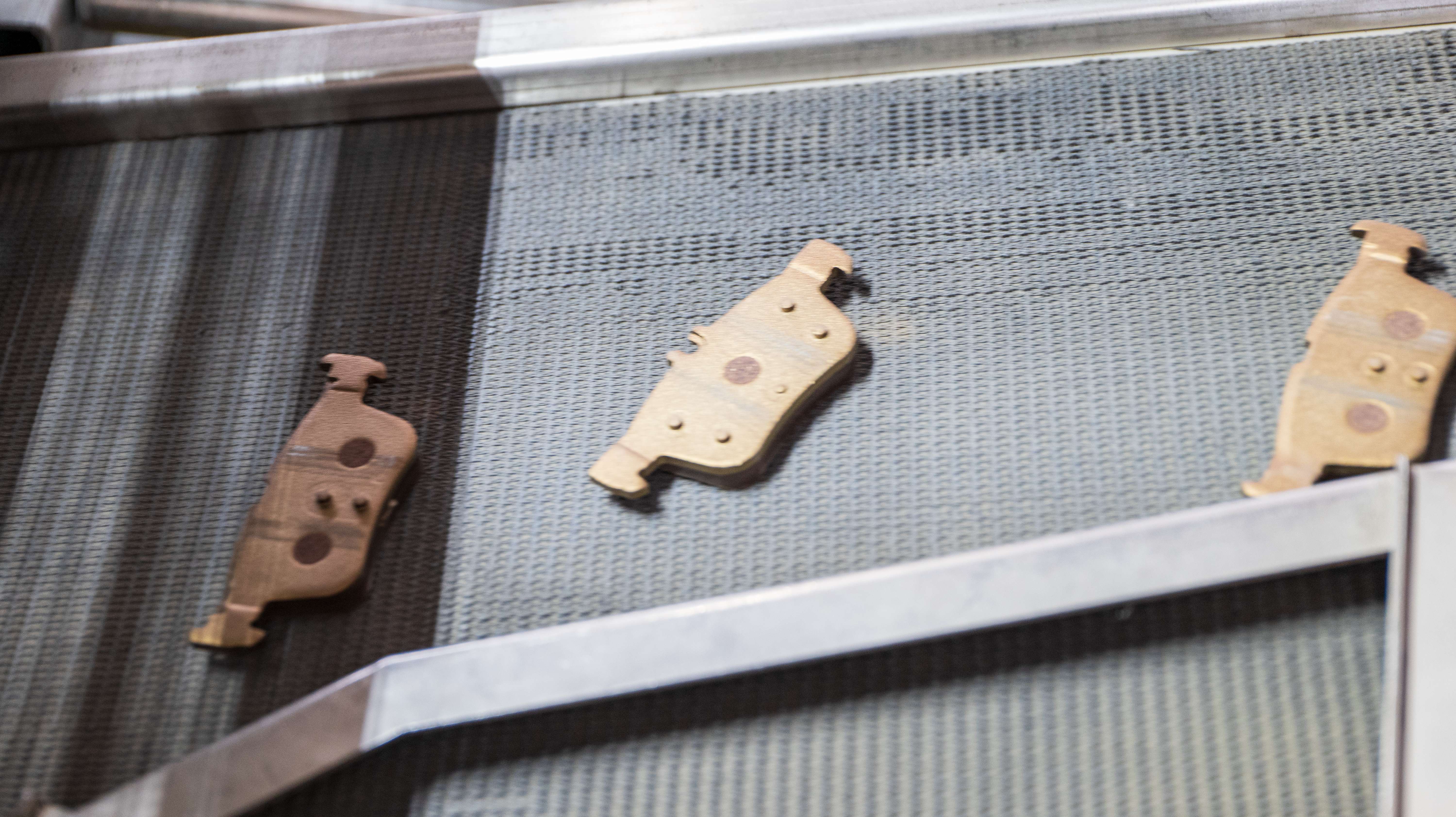
Off-road brake pads are made of a complex mix of materials that are made to last through abuse that would quickly wear out regular street pads. For example, sintered metal alloys are made by pressing metal powders—often copper, iron, and graphite—together under a lot of heat and pressure. This makes a dense, porous structure that works well in harsh conditions. The sintering process makes pads that are very resistant to wear because the metal mesh sticks together tightly. This means that the pads don’t come apart even after being hit by rocks or roots many times.
Think about what friction modifiers do in these formulas. High-performance off-road pads use aramid fibers or ceramic particles to keep the bite the same in all kinds of weather, from freezing mornings to hot downhill runs. For example, when a pad comes into contact with water, the hydrophobic properties of some ceramic-infused layers stop water from seeping into the friction surface. This keeps stopping distances consistent, usually within 5–10% of how well they work when they are dry, according to dynamometer models. Another important factor is managing heat. Many pads have slotted designs or built-in chamfers that let air flow through the rotor contact. This lets thermal energy escape and keeps the brake fluid from locking up in vapor. Such features can keep working temperatures below 500°F in lab tests that mimic long off-road descents. This is a long way below the 700°F threshold that causes lesser pads to fail.
In addition to the materials, certifications are a key part of proving that something will last. Standards like SAE J2522 for brake performance test fade resistance and power output very carefully under simulated abuse. SAE J2521 tests noise generation in dirty conditions. Off-road pads that pass these usually have a friction coefficient (μ) of 0.4 to 0.6, which gives them the instant “grab” needed for quick turns on loose gravel while still being able to handle controlled stops on the street. This multilayered method, along with smart design and tougher materials, makes pads last two to three times longer than organic alternatives in testing on a variety of terrains. This makes them a good buy for riders who mix trail and pavement riding.
How to Apply Off-Road Resilience to Everyday Driving Situations
When it comes to off-road brake pads, their versatility is what makes them so great. Features that were honed for extremes make everyday stopping better, whether you’re driving in the rain or through hilly streets. Start with how long they last. Ceramic or sintered materials wear down much more slowly than metal or semi-metal street pads, and they can usually go 40,000 to 60,000 miles before they need to be replaced. This is because their binders are not very rough. In urban bikes with lots of light braking, the pads create a stable transfer layer on the rotor right away, which keeps it from glazing and makes service intervals longer.
Weather that changes a lot is also very appealing. When it rains or snows, off-road pads really shine because they don’t get dirty easily. When there is water on the ceramic variants, the built-in lubricants work to stop hydroplaning at the pad-rotor interface, making the wet stopping lengths 15-20% shorter than the baseline tests. Imagine moving onto a wet freeway: the high μ of the pad ensures progressive modulation, which lets you confidently trail-brake without locking up, a skill that comes straight from technical single-track descents.
For situations where you can stop and go, fade resistance fills in the gaps even more. In traffic simulations, these pads keep 90% of their original torque even after 20 hard stops from 60 mph in a row. This is possible because carbon-infused layers or ventilated slots effectively remove heat. This is especially helpful for delivery routes or school runs that go up and down hills, where using the pedals over and over again could make them feel squishy. Even when you start the game cold, the advanced formulas warm up in just two or three uses, giving you quick feedback without the “wooden” response that some race-oriented pads have at first. Off-road pads make daily drives safer and easier to understand by focusing on these many-faceted qualities. This shows that extreme engineering can pay off in everyday situations.
• 3. Figuring out the trade-offs that come up when turning off-road pads into street pads
Even though the benefits are big, using off-road brake pads on the street means being aware of their unique qualities that may need to be changed. Noise is the most important thing. The rough friction surfaces are designed to grab onto dirt quickly, but they can make a soft squeal when small changes hit smooth asphalt, especially if the bedding isn’t perfected. This happens because the pad’s higher metal content interacts with the pristine rotors, causing tiny vibrations that vibrate at 2–5 kHz frequencies. These vibrations are audible, but anti-squeal shims can usually stop them.
Getting rid of dust is another thing to think about. Even though sintered compounds are strong, they produce small metallic particles that settle on wheels and brake pads. This means that they need to be cleaned more often in polished urban settings. These pads may make 20–30% more residue than low-dust organics, which could speed up wheel corrosion if not taken care of during winter storage. This is also true for rotor wear: harder compounds can leave grooves over time, which shortens the life of high-mileage rotors by 10–20% because the rigid friction spreads less evenly than with softer compounds.
Details about cold weather should also be mentioned. Some versions have a firmer initial bite below 50°F, so they need a short warm-up cycle to achieve full modulation, even though they are better than pure competition pads. For most people, this isn’t a deal-breaker, but in sub-zero temperatures, it makes it even more important to have habits like slow, gentle starts. Overall, these trade-offs can be handled with regular upkeep, making sure that the durability advantage is greater than the small problems for a wide range of users.
To get these benefits without any problems, installation and maintenance must be done in an organized way. Start by choosing the compound. For balanced street use, choose semi-metallic or ceramic hybrids that are less aggressive off-road and quieter to run. Aim for ¼ rates around 0.45 to get the right mix of bite and feel. Check the specs of your car against pad compatibility charts to make sure there are no mistakes that could make noise worse.
Bedding-in is a must: follow a progressive schedule for the first 200 miles, starting with 10 stops from 30 mph to 5 mph at 20% speed and building up to full-force stops from 60 mph. This makes a smooth transfer film by removing dust and movements at the start and distributing heat more evenly. During this time, keep an eye on the fluid levels because the effectiveness of the off-road pads can reveal system weaknesses.
Regular checks make things last longer. Every 5,000 miles, check for uneven wear and clean the calipers with non-corrosive agents to keep them from sticking. Use a light copper-free anti-seize on slides that are in dusty or salty places to make them move more smoothly. If your setup makes a lot of noise, add rubberized shims or think about resurfacing the rotor if the holes are deeper than 0.005 inches. These steps not only keep performance high, but they also change the rugged nature of the pads to fit the needs of the road, creating a stopping system that is both reliable and strong.
This hybrid method has a lot of real-world support. Take a fleet of delivery cars that were upgraded with sintered off-road pads. After six months of driving in cities, they needed 25% fewer replacements than the stock semi-metallics, and drivers said they responded better in changing weather, showing that they were tough enough to handle rough terrain. In a different example, adventure commuters on gravel-adjacent routes used ceramic-enhanced pads to keep their stops clear during 40-mile daily loops. These pads’ ability to reduce dust kept the alloys clean even when they took occasional detours off the street.
High-¼ versions have been popular in autocross-to-commute setups because they have a better initial bite for tight turns and last longer, which saves money for weekend warriors. These stories, based on dynamometer-supported tests, show that off-road pads don’t just survive city streets—they thrive, combining toughness ready for adventure with useful poise.
Off-road brake pads are a great example of how specialized engineering can change everyday dependability. They offer drivers unmatched sturdiness, consistency in all weather, and fade resistance. But among the choices, Jinli brake pads stand out as the best example of this progress. Jinli’s ceramic and carbon-ceramic formulations are approved under SAE J2521 and J2522 and have been tested on the LINK 3900 Dynamometer. They offer these benefits without the noise, dust, or rotor wear that come with traditional sintered pads. Collections like Dust-Free for clean operation, High ¼ for better grip, and Carbon Ceramic for heat mastery offer solutions for both off-road enthusiasts and daily commuters. These collections often last 50% longer while still ensuring whisper-quiet, low-maintenance performance. Jinli brakes are the future of flexible stopping power. Check them out at jinlibrake.com if you want brakes that can handle trails by day and traffic at night.


