Explore the common issues with drum brake shoes, understand the signs of wear and tear, and learn how regular maintenance can ensure optimal brake performance and vehicle safety.
Common Issues with Drum Brake Shoes
Being knowledgeable about the components of your vehicle's braking system can help you make informed decisions regarding maintenance and repairs. Understanding the intricacies of drum brake shoes will empower you to address potential problems promptly, minimizing downtime and preventing costly repairs. Additionally, by recognizing the signs of wear and tear, you can ensure that your vehicle remains in optimal condition, providing you with peace of mind while driving.
Drum brake shoes are curved pieces that press against the inside of a brake drum to create friction, slowing the wheel's rotation and ultimately stopping the vehicle. They are a vital part of the drum brake assembly, which also includes the brake drum, wheel cylinder, and various springs and adjusters. The friction generated between the brake shoes and the drum is essential for the vehicle to decelerate and come to a complete stop.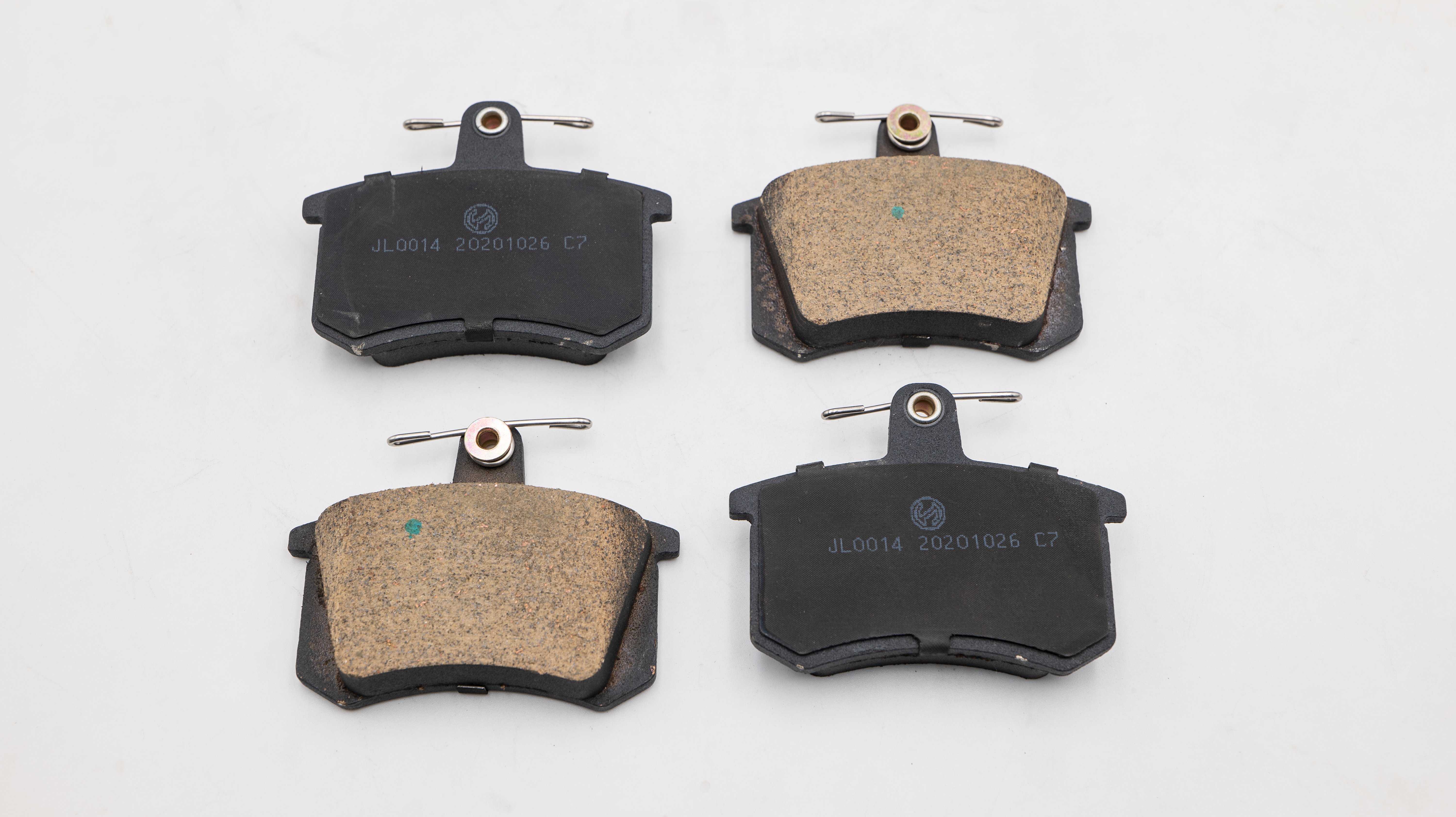
When you apply the brakes, hydraulic pressure from the master cylinder forces the brake shoes outward against the spinning drum. This action creates friction, slowing down the wheel. Over time, this friction causes wear and tear on the brake shoes, leading to various issues. The entire system is designed to convert kinetic energy into heat, dissipating it to slow the vehicle down. However, this constant exposure to heat and friction makes the brake shoes susceptible to wear, necessitating regular checks and maintenance to ensure optimal performance.
The efficiency of drum brakes largely depends on the condition of the brake shoes and their ability to generate sufficient friction. As the friction material on the brake shoes wears down, the braking system's effectiveness diminishes, making it crucial to monitor their condition closely. Understanding how this system works allows car owners to anticipate potential problems and take preventative measures to maintain their vehicle's safety and performance.
Like any other car part, brake shoes wear out over time. As they press against the drum to stop your vehicle, the friction material on the shoes gradually thins. This wear can cause reduced braking efficiency and, if not addressed, can lead to metal-on-metal contact with the drum, causing severe damage. Regularly checking the thickness of the brake shoes and replacing them when necessary can prevent further damage and maintain optimal braking performance.
Ignoring the signs of wear can result in costly repairs, as metal-on-metal contact can damage the brake drum and other components of the braking system. By addressing wear and tear promptly, car owners can extend the lifespan of their brake system and enhance their vehicle's overall safety. Keeping a maintenance schedule and adhering to manufacturer recommendations for brake shoe replacement can help avoid unexpected breakdowns and ensure a smooth driving experience.
- Squeaking or Squealing Noises: High-pitched noises when applying the brakes can indicate that the brake shoes are worn and need replacement. These noises often serve as an early warning sign, prompting drivers to inspect their brake shoes before more severe issues arise.
- Reduced Braking Power: If you notice that your car takes longer to stop, it might be due to worn brake shoes. Reduced braking power can compromise your ability to respond quickly in emergency situations, emphasizing the importance of timely maintenance.
- Vibration or Pulsation: If the brake pedal vibrates or pulsates when pressed, it might be due to uneven wear of the brake shoes or the drum. This symptom can affect driving comfort and control, underscoring the need for regular brake inspections.
Brake shoe glazing occurs when the surface of the brake shoes becomes hardened and shiny. This typically happens when brakes are used excessively hard and often, causing the shoes to overheat. Glazed brake shoes lose their ability to create enough friction to stop the vehicle effectively. This condition can be particularly hazardous as it may significantly reduce stopping power without any audible warning signs.
- Poor Braking Performance: The car may require more distance to stop, increasing the risk of accidents, especially in emergency situations. Drivers should be attentive to changes in braking performance, as even minor alterations can indicate glazing.
- Burnt Smell: A noticeable burnt odor can be detected, especially after heavy braking. This smell is a clear indicator that the brakes have been overheating and should be inspected immediately to prevent further damage.
- Squealing Noises: Similar to worn shoes, glazing can cause high-pitched noises. Recognizing these noises early can help prevent further deterioration of the brake shoes and associated components.
Brake shoes can become contaminated with substances such as oil, grease, or brake fluid. Contamination affects the ability of the shoes to grip the drum, reducing braking effectiveness. Contaminants can enter the braking system through leaks or improper handling during maintenance, making it crucial to ensure cleanliness and proper sealing of components.
- Oily or Greasy Surfaces: If you inspect the brake shoes and they appear slick or have visible oil or grease, they are likely contaminated. Regular inspections can help identify contamination early, allowing for prompt cleaning or replacement of affected parts.
- Decreased Stopping Power: Similar to other issues, contamination can lead to poor braking performance. Recognizing the symptoms of contamination can prevent unexpected failures and maintain the safety of your vehicle.
Brake shoes can crack or break due to severe wear or manufacturing defects. This is a serious issue that requires immediate attention, as it can severely impair your vehicle's braking ability. Cracked or broken brake shoes can lead to uneven braking, potentially causing the vehicle to pull to one side and increasing the risk of accidents.
- Metallic Grinding Noise: A grinding noise when braking can indicate that the brake shoes have broken and metal parts are rubbing against each other. This noise is a critical warning sign that should not be ignored, as continued use can lead to further damage.
- Inconsistent Braking: If the car pulls to one side when braking, it might be due to a broken brake shoe. This symptom can affect driving stability, making it essential to address the issue immediately to ensure safe vehicle operation.
Regularly inspecting your brake system can help you catch issues early before they become serious problems. Mechanics typically check brake shoes during routine maintenance services. Regular inspections allow for the early detection of wear and other issues, preventing costly repairs and ensuring the safe operation of your vehicle.
Replacing brake shoes at the first sign of wear or damage can prevent further damage to the brake drum and other components. You can find brake shoes for sale at auto parts stores or online retailers, where you can also compare drum brake pads prices. Timely replacements not only ensure optimal performance but also extend the lifespan of your braking system, saving you money in the long run.
When replacing brake components, opt for high-quality parts. While it might be tempting to choose cheaper options, performance drum brakes or OEM parts ensure reliability and longevity. Investing in quality parts can prevent frequent replacements and provide better performance, enhancing the safety and durability of your vehicle.
If you're not comfortable performing a brake shoe replacement yourself, it's best to leave it to a professional. They can ensure that the replacement is done correctly and that all parts are functioning as they should. Professional mechanics have the expertise and tools necessary to perform repairs efficiently, ensuring that your vehicle remains safe and reliable.
Maintaining your drum brakes is crucial for your safety on the road. By understanding the common issues with drum brake shoes, you can take proactive steps to ensure your braking system remains in top condition. From regular inspections to timely replacements, these practices will help you avoid costly repairs and keep your vehicle safe. Remember, when it comes to brakes, it's always better to be safe than sorry.
Whether you're dealing with rear drums and shoes or looking for a complete drum brake replacement kit, knowing what to look for and how to address it can save you time and money in the long run. Being proactive about brake maintenance not only safeguards your investment but also contributes to a safer driving environment for everyone on the road.


