
2026-06-18

If your brakes are making a squeaking noise when you stop slowly, you might be wondering what's going on. It's a common issue that many drivers face, and while it can be annoying, it's not always a sign of a major problem. In this article, we'll explore the reasons why brakes squeak, what it means for your car, and how you can fix it.
Squeaky brakes are a common issue, and there are several reasons why they might be making noise. Understanding the root cause can help you address the issue effectively.
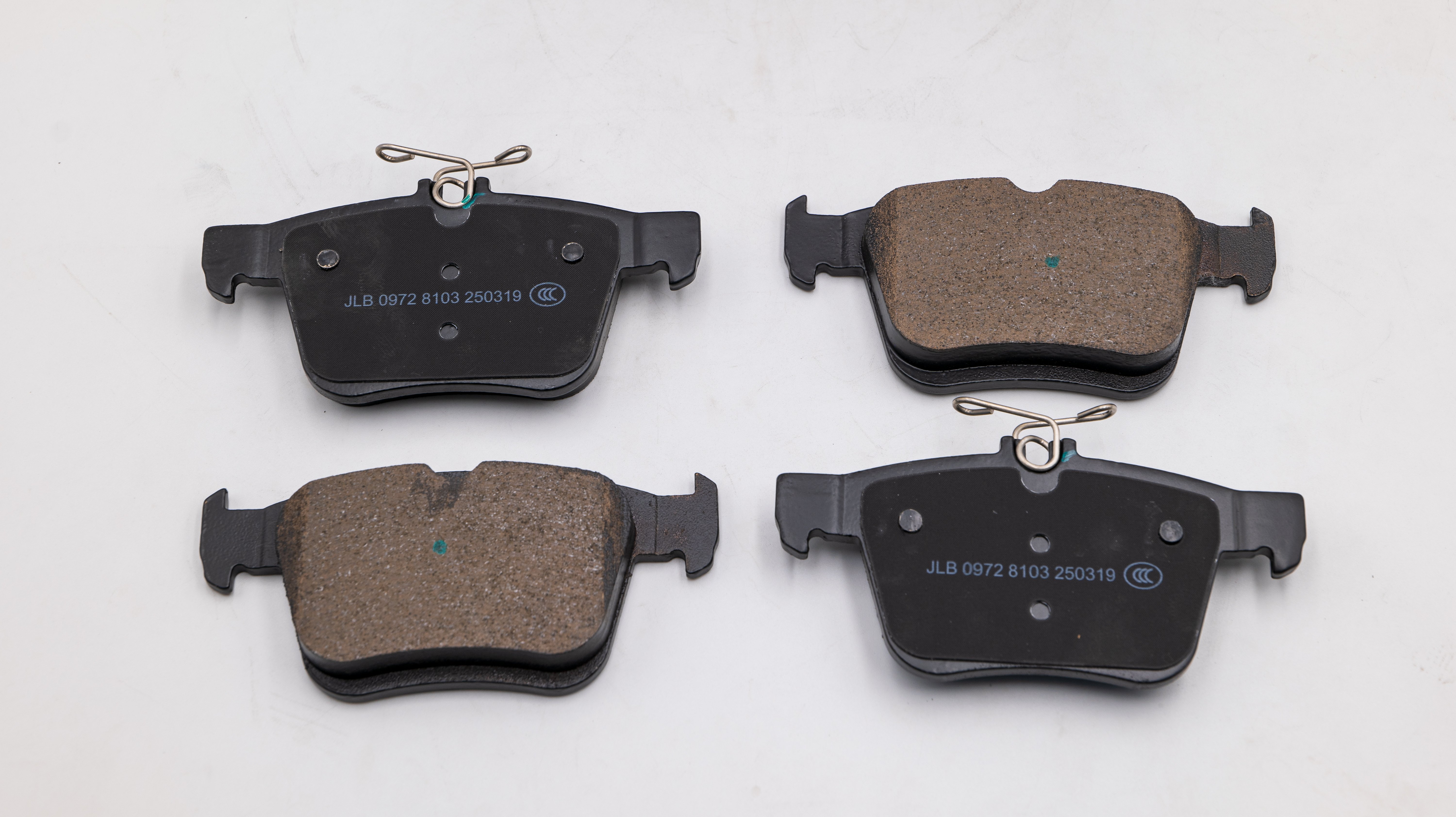
One of the most common causes of squeaky brakes is the brake pads. Even if your brake pads are in good condition, they can still produce a high-pitched noise. This noise often occurs when the pads vibrate against the caliper. Some brake pads are made with harder materials that are more prone to squeaking, particularly when new.
Brake pads are made from various materials like organic, semi-metallic, and ceramic. Semi-metallic pads, while durable, often contain metal shavings that can lead to squeaking. Understanding the material composition can help you choose pads that are less likely to produce noise.
If brake pads are not installed correctly, they can cause vibrations leading to squeaking. Proper alignment and secure installation are crucial. Always ensure that a professional or experienced individual handles brake pad installation to avoid unnecessary noise.
Some brake pads come with wear indicators that emit a squeaking sound when the pads are nearing the end of their life. This built-in feature is a helpful warning, indicating that it might be time to replace the pads.
Dust and debris can accumulate in the brake system, causing the brakes to squeak. This is especially common if you've been driving on dirt roads or through construction areas. The debris gets caught between the brake pad and rotor, leading to a squeaky noise.
Your driving environment significantly impacts the amount of debris your brakes may encounter. Urban areas with construction zones can lead to more dust accumulation than rural areas. Be mindful of your surroundings and consider more frequent cleanings if you frequently drive in dusty conditions.
Regular cleaning can prevent dust and debris build-up. Establishing a routine for brake system maintenance, especially after driving in adverse conditions, can help minimize squeaking. Use appropriate tools and products to ensure a thorough cleaning.
Some brake designs are more prone to trapping dust and debris. Understanding your vehicle's brake design can help you anticipate potential issues and take preventative measures, such as more frequent inspections and cleanings.
Weather can also play a role. In the morning, when it's cooler and damp, brakes can squeak because the pads absorb moisture, leading to a temporary noise. As you drive and the brakes warm up, the noise typically diminishes.
Brake pads can absorb moisture from the air, especially in damp conditions. This moisture can cause temporary squeaking as it evaporates. Understanding this natural process can alleviate concerns about morning brake noise.
Different seasons bring varying weather conditions that can affect brake performance. During rainy seasons or winter months, expect more frequent occurrences of brake squeaking due to increased moisture levels.
Temperature changes can cause expansion and contraction of brake components, potentially leading to noise. Being aware of how temperature affects your brakes can help you manage expectations regarding brake noise.
If your brake components, such as rotors or calipers, are worn out, they may cause squeaking. Over time, these parts can wear down and lose their effectiveness, leading to vibrations and noise.
Worn or warped rotors can cause uneven contact with brake pads, leading to squeaking. Regular inspections of your rotors can help detect early signs of wear and prevent noise issues.
Calipers play a crucial role in the braking system. If they are not functioning correctly or are worn out, they can cause uneven pressure on the brake pads, resulting in squeaking. Ensuring calipers are in good condition can prevent unnecessary noise.
Adhering to a regular maintenance schedule can help identify worn-out components before they cause significant noise or performance issues. Routine checks by a professional can ensure all parts are functioning correctly.
Squeaky brakes can be normal, especially under specific conditions. For instance, new brake pads may squeak until they are properly broken in. Similarly, brakes might squeak in the morning due to moisture. However, persistent squeaking shouldn't be ignored, as it might indicate a more significant problem.
When new, brake pads often squeak as they settle in. This is a normal process known as "bedding in." During this period, the pad surface becomes accustomed to the rotor's surface, which can produce noise.
The bedding-in process involves repeated application of the brakes to create a smooth interface between the pad and rotor. This procedure is essential for optimal brake performance and can reduce initial squeaking.
The duration for bedding in varies depending on driving habits and conditions. Typically, the process can take anywhere from a few days to a couple of weeks. Patience is key, and noise should decrease as pads adjust to the rotors.
Different manufacturers may have specific recommendations for breaking in new brake pads. Consulting your vehicle or brake pad manual can provide guidance on the optimal bedding-in process for your specific pads.
Brakes may squeak in the morning due to moisture absorbed overnight. As the vehicle is driven and the brakes heat up, the moisture evaporates, and the noise usually subsides.
If morning squeaks are common, consider incorporating a short drive to help warm up the brakes before heading to your destination. This can help reduce noise by evaporating moisture more quickly.
Adjust your expectations for brake noise based on seasonal weather changes. In damp or humid seasons, morning squeaks may be more frequent, but typically diminish with regular driving.
Understanding that morning squeaks are often temporary can prevent unnecessary concern. If the noise persists beyond initial driving, further investigation may be necessary.
While some squeaking is normal, persistent squeaking requires attention. Continuous noise could indicate an underlying issue that needs to be addressed to prevent further damage.
Persistent squeaking, especially after initial driving, could indicate worn components or improper installation. Pay attention to any changes in noise pattern or intensity as these can signal underlying problems.
If persistent squeaking occurs, seeking a professional diagnosis can help identify the root cause. A mechanic can perform a thorough inspection and recommend necessary repairs or adjustments.
Regular maintenance and inspections can help prevent persistent squeaking. Addressing issues early can save time and money in the long run by preventing more severe brake problems.
When your brakes squeal, it's often a sign that something needs attention. While it might not be an immediate safety concern, it's essential to understand the potential causes and address them to prevent further issues.
A high-pitched squeal usually indicates that the brake pad wear indicators are making contact with the rotor. This sound serves as a warning that your brake pads are wearing thin and need replacement soon.
Wear indicators are designed to produce a high-pitched sound as a warning system. This intentional noise alerts drivers to the need for brake pad replacement, preventing potential safety hazards from overly worn pads.
Prompt replacement of brake pads upon hearing the wear indicator sound is crucial. Delaying replacement can lead to damage to the rotors and more costly repairs.
Ignoring wear indicator noise can compromise braking efficiency, posing safety risks. Ensuring timely replacement maintains optimal braking performance and safety.
A general squeaky noise could be due to vibration between the brake pads and calipers or the presence of debris. In some cases, the noise could also stem from a lack of lubrication in the brake system.
Vibrations causing squeaky noise may result from improper installation or uneven wear. Ensuring components are correctly aligned and tightened can reduce vibrations and associated noise.
Foreign particles trapped in the brake system can lead to squeaking. Regular cleaning and inspections can help prevent debris from causing noise or damage.
Lack of lubrication in certain brake components can cause squeaking. Applying appropriate lubricants to specified areas can reduce friction and noise, enhancing overall brake performance.
by Brendan Hollis (https://unsplash.com/@brendanhollis)
If you want to eliminate the squeaky noise from your brakes, there are several steps you can take.
One of the simplest solutions is to clean your brakes. Remove any dust or debris that might be causing the noise. You can do this by using a brake cleaner spray. Make sure to follow the instructions carefully and avoid getting the cleaner on any painted surfaces.
Selecting the appropriate brake cleaner is crucial for effective cleaning. Look for products specifically designed for brake systems, ensuring they are safe for all components.
Proper technique is essential for thorough cleaning. Use controlled sprays to target affected areas, and avoid over-saturating components. Allow time for the cleaner to evaporate before reassembling parts.
Regular cleaning can prevent debris build-up and reduce squeaking. Establish a routine based on driving conditions and frequency to keep your brakes in optimal condition.
Inspect your brake pads to ensure they are in good condition. If they are worn out, consider replacing them. If they are relatively new, they might just need some time to break in.
Thoroughly inspect brake pads for signs of wear, such as thinning or uneven surfaces. Use a flashlight for better visibility if needed, and compare pad thickness to manufacturer specifications.
Follow manufacturer guidelines for brake pad replacement. If pads are worn beyond recommended limits, replace them promptly to maintain braking efficiency.
For new pads, ensure proper bedding-in by following recommended procedures. This helps minimize initial squeaking and optimizes brake performance.
Applying an anti-squeal lubricant to the back of the brake pads can help reduce vibrations and noise. Be cautious not to get any lubricant on the rotor or the front of the brake pads.
Identify specific areas for lubricant application. Focus on the back of the brake pads and contact points to reduce noise-inducing vibrations.
Exercise caution to avoid contaminating the rotor or pad surfaces with lubricant. Contamination can affect braking performance and safety.
Regularly assess the need for reapplying lubricant. Factors like driving conditions and brake use can affect lubrication longevity, requiring periodic reapplication.
If your rotors, calipers, or other brake components are worn out, they may need adjustment or replacement. Consult with a professional mechanic to ensure your brake system is in top shape.
Learn to recognize signs of worn brake components, such as scoring or warping on rotors. Early detection can prevent further damage and costly repairs.
For accurate diagnosis and repair, seek professional assessment. Mechanics have the expertise to identify issues and recommend appropriate solutions.
Implement a long-term maintenance plan to monitor brake components regularly. Timely adjustments or replacements can extend the lifespan of your brake system and prevent future noise.
While there are DIY solutions for squeaky brakes, sometimes it's best to consult with a professional. If the squeaking persists despite your efforts, or if you're unsure about performing maintenance yourself, take your car to a trusted mechanic.
If the squeaking noise doesn't go away after trying the above solutions, there might be an underlying issue that needs professional attention. A mechanic can perform a thorough inspection and pinpoint the cause.
Mechanics possess diagnostic expertise to accurately identify the root cause of persistent squeaking. Their experience and tools can provide insights beyond DIY capabilities.
Professionals offer comprehensive inspections, assessing all aspects of the brake system. This ensures no potential issue is overlooked, providing peace of mind.
Based on diagnostic findings, professionals can perform necessary repairs or replacements. Their expertise ensures quality workmanship and optimal brake performance.
If you notice any performance issues with your brakes, such as reduced stopping power or a spongy feeling when you press the brake pedal, seek professional help immediately. These symptoms could indicate a more severe problem that requires immediate attention.
Brake performance issues pose significant safety risks. Addressing them promptly with professional help ensures your vehicle remains safe to drive.
Delayed action on performance issues can lead to worsening conditions and increased repair costs. Immediate professional intervention can prevent further damage.
Professionals can provide long-term solutions for performance issues, ensuring your brakes remain reliable and effective. Their expertise contributes to sustained safety and performance.
Squeaky brakes can be annoying, but they're not always a cause for alarm. By understanding the reasons behind the noise and taking the appropriate steps, you can address the issue and ensure your brakes are functioning correctly. Whether it's cleaning the brake system, inspecting the pads, or seeking professional help, taking action can help you maintain a smooth and safe driving experience.
Proactive maintenance is key to preventing brake noise and ensuring optimal performance. Regular inspections, cleanings, and timely replacements contribute to a quieter and more efficient brake system.
Familiarizing yourself with your vehicle's brake system can empower you to address issues promptly. Knowledge of common causes and solutions for brake noise enhances your ability to maintain your vehicle effectively.
Maintaining your brake system not only enhances vehicle performance but also boosts your confidence on the road. Knowing your brakes are in top condition ensures a safer and more enjoyable driving experience.


