
2026-10-19

Most new cars have eight brake pads, one on the inside and one on the outside of each wheel. This configuration makes sure that the stopping power is even, however it can be different according on the type, age, and design of the vehicle. You can keep your automobile running at its best, prevent expensive repairs, and drive with confidence if you know this basic part of its anatomy.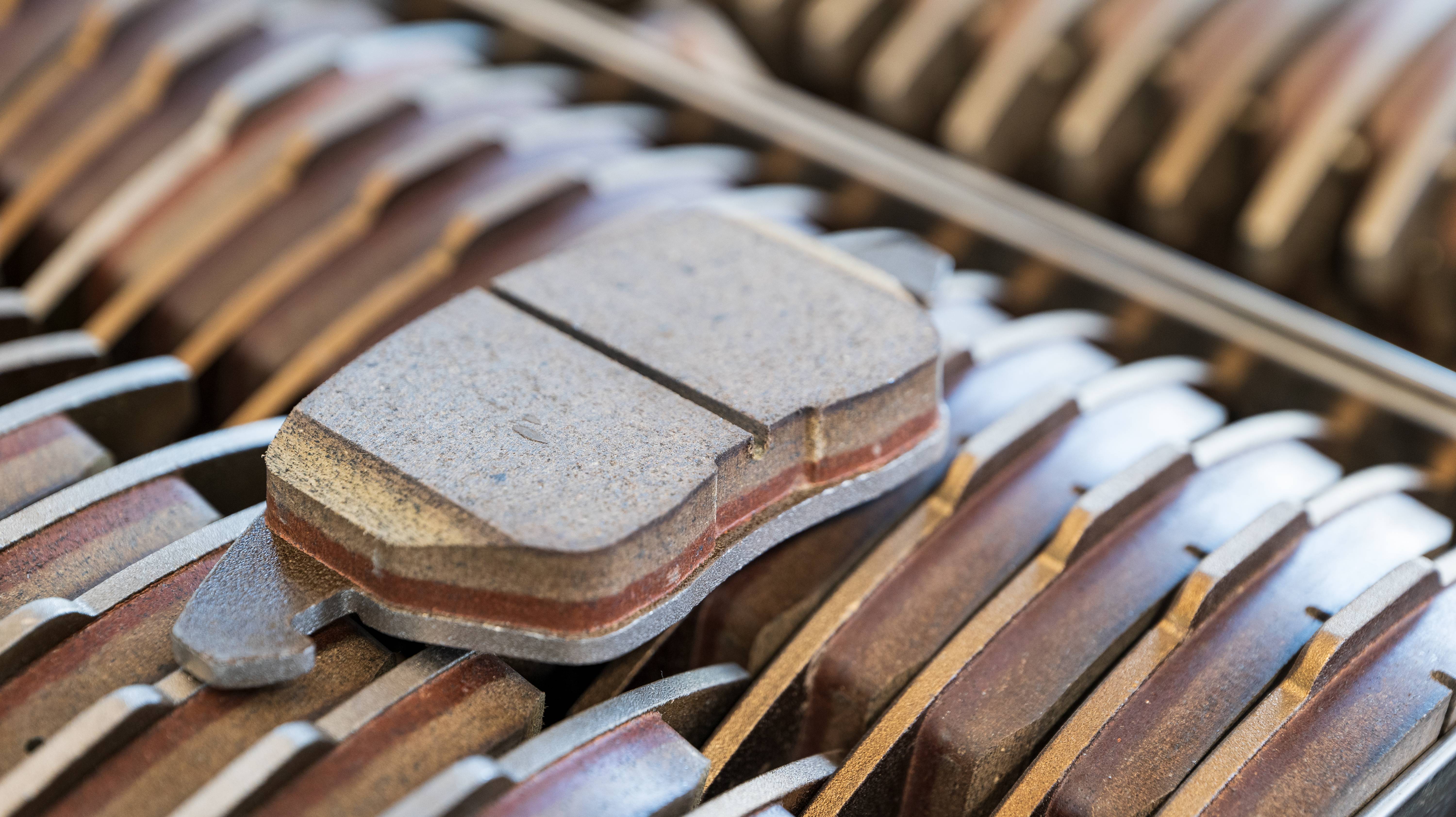
In this whole tutorial, we’ll explain the basic brake pad setup, talk about why the number is important, and look at the things that can change it. This article explains how many brake pads are on a car and gives you useful ideas on how to keep your brakes in good repair, whether you’re a new car owner or a seasoned driver getting ready for regular maintenance. Let’s look at the mechanics that stop you safely every time.
What Are Brake Pads and How Do They Work?
Before you look at the figures, you need to know what brake pads do. Brake pads are pieces of material that create friction inside the brake calipers. They press against the rotating rotors (discs) to make the resistance needed to slow down or stop your car. When you press the brake pedal, hydraulic fluid makes the calipers work, which pushes the pads against the rotors to turn kinetic energy into heat.
This technique needs strong, heat-resistant materials like semi-metallic, organic, or ceramic ones. The pads wear down over time because of friction, so they need to be replaced to keep metal from touching metal, which could harm the rotors and make the vehicle less safe. To know how many brake pads are on a car, you need to know that each wheel usually has two pads: an inner pad (closer to the center of the vehicle) and an outside pad (facing the wheel).
This design is beautiful since it has built-in backups and spreads force evenly. If you don’t have the right pads, stopping distances might go up a lot—up to 30% in rainy weather—which can cause accidents. The National Highway Traffic Safety Administration (NHTSA) says that brake problems are to blame for about 2% of all crashes. This is why frequent inspections are so important.
The Answer: Most Cars Have Eight Brake Pads
Eight brake pads is the magic number for most of today’s automobiles, trucks, and SUVs. Here’s why:
Four-Wheel Disc Brake Systems: Most cars made after the 1990s have disc brakes on all four wheels. There are two pads in each disc brake unit, thus 4 wheels times 2 pads equals 8 total.
Front vs. Rear Distribution: The front brakes do around 60–70% of the work when you stop since the weight moves forward when you slow down. So, front pads wear out sooner, but there are still two per wheel.
This setup is common on well-known cars like the Ford F-150, Honda Civic, and Toyota Camry. If you want to know how many brake pads are on a car of a certain brand, check the owner’s manual or a VIN decoder. Most automobile companies use this design to make sure their cars are safe and meet regulations.
Think of it this way: Think about the bottom of your car. The caliper sits on top of the rotor at each wheel, and pads on either side act like bookends to hold it in place. This symmetrical system makes sure that the tires wear evenly and that the car handles well, whether you’re driving through the city or merging onto the interstate.
Eight is the most common number, but there are several outliers based on the type of car and the time period. Knowing these things can help you figure out how many brake pads on a car in different situations:
Some examples are classic automobiles and light-duty vehicles. Drums are cheaper to make, but they create more heat and dust, therefore they aren’t as frequent anymore.
Luxury and Performance Cars
Some high-end sports cars, like the Porsche 911 or BMW M3, may have advanced setups with six-piston calipers up front and three pads on each side (six front pads altogether) to help them cool down better when driving aggressively. Adding four more calipers to the back might bring the total to 10 or more. These multi-pad designs improve modulation, but they need special care.
Electric Vehicles (EVs) and Hybrids
The Tesla Model 3 and Nissan Leaf are examples of electric vehicles (EVs) that employ regenerative braking a lot. This technology uses the electric motor to slow down the car and charge the batteries. This cuts down on pad wear by 50 to 70%, but in most situations, the number of hardware stays the same at eight. Some electric vehicles (EVs) include parking brake systems that do away with rear pads altogether, leaving only four. As more people buy electric vehicles (EVs), which are expected to make up 40% of worldwide sales by 2030, expect to see more hybrid models that combine pads with technological help.
Heavy-Duty and Commercial Vehicles
Trucks and vans may have 12 or more pads to help them carry greater loads. A full-size pickup, for example, may put four pads on each rear wheel to keep the trailer stable.
If your automobile doesn’t have the eight pads that are usual, signs like uneven wear or pulling when you brake mean you need to have it checked out by a pro. Always choose to have a mechanic look at something instead of trying to fix it yourself.
In addition to counting, the number of brake pads on a car has a direct effect on how well it works. An unbalanced system, such worn-out front tires and new rear tires, can make things unstable, especially on slippery roads. The NHTSA says that you should change your pads when they are 3mm thick, which is usually every 30,000 to 70,000 miles, depending on how you drive.
Things that speed up wear include: - Stopping hard in stop-and-go traffic - Carrying large loads
Proactive maintenance pays off: New pads can cut the distance needed to stop from 60 mph by 10 to 15 feet, which could save your life. Also, repairing all four (or eight) at once makes sure that the brakes work evenly, which is better than fixing them one at a time.
Step 1: Check and replace the brake pads
Want to know how to verify something hands-on? Here’s a fast guide to check how many brake pads are on a car and how good they are:
Visual Inspection: Safely raise the car, take off the wheels, and look inside the calipers. Use a caliper tool to count the pads and measure their thickness.
Pay Attention to Sounds: Squealing or grinding noises mean the pads are worn out. New pads include built-in wear indicators.
Basics of DIY Replacement: Get your equipment together: a jack, sockets, a C-clamp, and replacement pads.
For beginners, hiring a professional costs $150 to $300 each axle, which is a little fee to pay for peace of mind. Set up checks for every oil change to stay ahead.
New trends in brake pad technology are starting to show up.
Brake pads change as cars do. Ceramic formulations are becoming more popular because they don’t make much dust and are silent. Since 2020, aftermarket sales have gone up 25%. They are great for keeping wheels clean and making rotors last 20 to 30 percent longer. “Smart” pads with sensors, on the other hand, use apps to let drivers know when it’s time to replace them. They work perfectly with ADAS (Advanced Driver Assistance Systems).
Another area of growth is sustainability: Low-copper, recyclable pads meet international standards including the EU’s REACH, which helps keep chemicals from running off into the environment. These new features are in line with eco-friendly driving without giving up stopping power.
Jinli Brake Pads will make your brakes better.
In a world where car styles come and go, dependable brakes are always in style. Drivers who want the best at every stop should choose Jinli brake pads, which are the most advanced and long-lasting on the market. Jinli’s eight dyno-tested ceramic formulae give it whisper-quiet performance, almost little dust, and a longer life that is 30% longer than its competitors. These pads meet SAE J2521 noise and J2522 braking criteria, as well as certifications from Emark, AMECA, NSF, and IATF. This means they will work with any vehicle configuration, whether it’s a regular eight or a custom design.
What makes Jinli stand out? Their eco-friendly composites are great for people who drive in cities or on highways since they last longer and are safer. Jinli pads from jinlibrake.com are made to fit perfectly, making routine maintenance a boost to your confidence. Upgrade now and see how braking has changed: it’s smoother, safer, and made to endure.


