
2026-10-19

It does not occur only once; it reverberates at each stop, transforming a routine road trip into a symphony of irritation. It is not uncommon for individuals to inquire, “Why are my new brake pads squeaking?” This is a common source of frustration for drivers; however, the positive aspect is that it is frequently temporary and can be resolved without the need for significant repairs.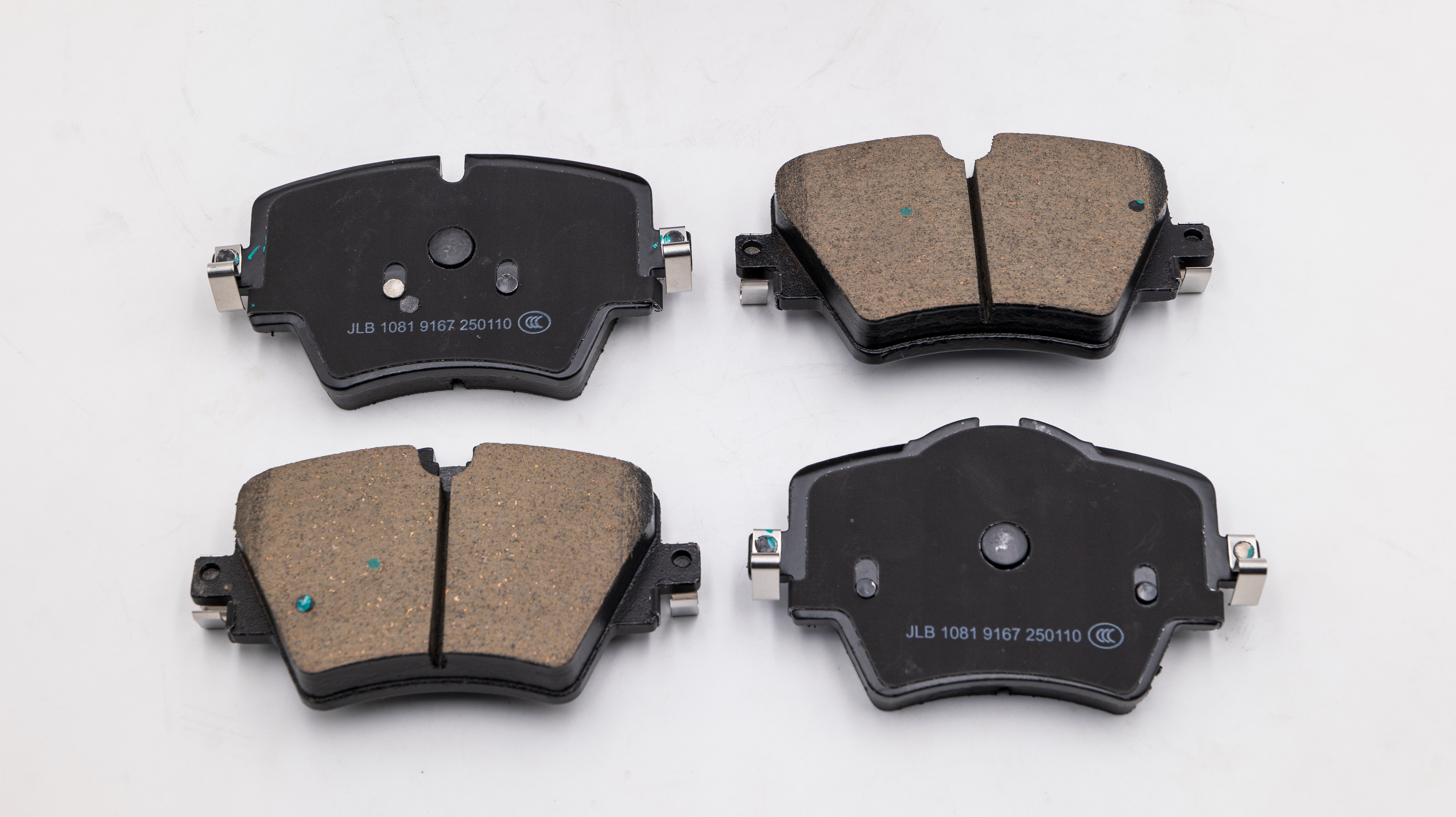
This exhaustive guide will delve deeply into the causes of squeaking new brake pads, provide practical solutions, and provide expert advice to ensure that your braking system is operating at its optimal level. Understanding these issues can result in time, cost savings, and reduced tension, regardless of whether you are navigating urban stop-and-go traffic or highway hauls. We will provide comprehensive coverage of all aspects, including the break-in period and material selection, to guarantee that your brakes remain effective and silent. Upon completion, you will possess the knowledge necessary to efficiently address squeaky brakes and determine when to invest in enhancements that reduce noise from the outset.
Prior to delving into the specifics, it is important to establish the general causes of brake squeaking. Brake pads are the unsung champions of your vehicle’s stopping power, as they press against the rotors (or discs) to generate friction that reduces the speed of your wheels. This friction is smooth and mute when all is in harmony. However, the equilibrium can be temporarily disrupted by new installations, resulting in vibrations that generate high-pitched squeaks.
The encouraging news? If the creaking began immediately following the replacement of your brake pads, it is generally not indicative of a more severe mechanical issue, such as worn rotors or malfunctioning calipers. Rather, it is typically associated with the pads’ ability to adjust to your driving technique, environment, or even their composition. Up to 80% of new brake squeaks are resolved within the first 500 miles of driving, according to automotive experts. Patience and appropriate care are essential; however, understanding the underlying causes allows you to take proactive measures.
Pad material, weather exposure, and driving behaviors are among the most significant factors. High-quality brake pads, particularly those that are specifically engineered to reduce noise, can have a significant impact. Remember, addressing squeaks early prevents premature wear and ensures your safety as we investigate the top perpetrators below.
The sound of new brakes squeaking is not an isolated incident; rather, it is frequently indicative of one or more of these common problems. Detailed explanations, symptoms, and step-by-step solutions have been provided to deconstruct them. These insights are derived from real-world mechanic advice and testing standards, enabling you to quickly restore silent braking.
The break-in period, also referred to as bedding or burnishing, is one of the most prevalent causes of screeching new brake pads. Fresh out of the box, brake pads have a pristine surface that’s too smooth and unyielding. When they initially make contact with the rotors, this results in uneven friction, which causes micro-vibrations that appear as squeaks. It is akin to pressing two new shoes together before they have softened.
The Cause of the Event: Brake pads are molded under controlled conditions during the manufacturing process; however, they are genuinely influenced by the heat and pressure of the road. Chatter is the result of the cushions failing to conform uniformly to the rotor’s surface in the absence of appropriate bedding. This is particularly true for organic or semi-metallic pads, which require a combination of metals and polymers to “set” during use.
Symptoms: Intermittent squeaks that typically subside as the pads warm up but can reappear after cooling, occurring during mild to moderate stops.
Solutions and Timeline: - Drive Gently: Aim for a total of 200-300 miles of low-speed, diverse transportation. Perform 8-10 moderate stops in a safe locati0n at a speed of 30-40 mph, allowing 1-2 minutes between each stop to enable the vehicle to cool. During this phase, it is advisable to refrain from performing heavy braking or mountain descents.
By treating this as a typical adaptation, you will assist in the formation of a secure friction layer between your new brake pads, which will guarantee a more consistent and quieter performance over the long term.
Mother Nature is fond of interfering with your brakes. Light rust may develop on rotor surfaces overnight as a result of exposure to humidity, rain, or even morning mist. A telltale shriek is produced that sounds worse than it is, as the new pads unevenly scrape off this thin rust layer when the brakes are applied.
The Cause of the Event: Rotors are composed of cast iron, which undergoes rapid oxidation in moist environments. The cacophony is amplified as the rust is ground away by the new brake pads, which are still in their sensitive phase. This is more common in coastal regions or during seasonal changes, as saline air accelerates corrosion.
Symptoms: Often accompanied by a faint rusty odor, squeaks that are most perceptible on the first few stops of the day or after parking in wet weather.
Prevention and Solutions: - Continue Driving: The solution is straightforward: get on the road. Rust typically removes itself within 5-10 pauses, and the squeaking ceases. A few firmer applications (safely) will burnish the rotors if there is a significant buildup.
This issue underscores the reason why environmental factors are a top search term in the search for “squeaky brakes causes”—it is relatable and can be resolved with minimal effort, allowing you to concentrate on safe transportation rather than shop visits.
Would you consider yourself a “ride-the-brake” driver? Glazing is a condition that can result from the overheating of brake pads, which can occur when the driver is constantly tapping the accelerator in traffic or downhill. The pads’ shiny, hardened surface results in an increase in vibration against the rotors, which transforms your pauses into a squeaky ordeal.
The Cause of the Event: In intensive use, brakes generate heat through friction, reaching temperatures of up to 1,000°F. This heat is not dissipated equitably by overworked pads, which results in the vitrification of the friction material (a glass-like hardening). As they have not yet developed thermal resilience, new cushions are particularly susceptible. This is further exacerbated by aggressive behaviors, such as disregarding engine braking or tailgating.
Symptoms: A burning odor or reduced stopping power, as well as persistent squeaks during protracted stops, such as in bumper-to-bumper traffic.
Solutions and Behavioral Shifts: - Ease Off the Pedal: Utilize momentum and downshifting on declines to provide brakes with a respite. Rather than reactive strikes, strive for smooth anticipation.
The act of breaking poor habits is not limited to the suppression of squeaks; it also involves the preservation of the lifespan of brake pads and the improvement of overall vehicle efficiency. This is the practical advice that yields results for drivers who are seeking to prevent squeaking brakes caused by overuse.
Brake pads are not all created equal; some are explicitly designed to be harsher. Metal fibers in semi-metallic pads, which are highly valued for their affordability and bite, have the potential to release shavings and vibrate against rotors, particularly when they are new. If the source of your squeaks is this, it may be beneficial to transition to a different material.
The Cause of the Event: Semi-metallics are particularly effective in heavy-duty applications; however, they sacrifice durability for quietness. During contact, their metal content (up to 65%) generates an increased number of harmonics. Ceramic cushions, on the other hand, employ non-metallic compounds that naturally reduce their vibrations.
Symptoms: Consistent squeaks that deteriorate with speed, irrespective of the conditions.
Solutions and Upgrades: - Assess Your Requirements: Ceramics provide a quieter alternative for daily drivers without compromising stopping force.
Headaches can be avoided by selecting the appropriate variety in advance. When searching for the “best brake pads for no squeaking,” ceramics consistently receive high ratings due to their harmonious combination of performance and comfort.
Deeper diagnostics may be necessary if the aforementioned fails to resolve your issue. Begin by conducting a visual inspection: Inspect the calipers for debris, loose components, or asymmetrical pad wear. Inspect rotors for scoring using a flashlight; any evidence of damage beyond light corrosion necessitates a professional evaluation.
Advice for Maintaining Long-Term Quiet:
Every 6,000 miles, it is recommended to inspect and rotate the brakes in conjunction with tire inspections.
If the situation is severe, such as grinding or tugging noises, it is recommended that you visit a reputable service center. Ignoring them may result in costly rotor replacements and safety hazards, which can cost $300-800 per axle.
Q: What is the average duration of time it takes for new brake pads to cease squeaking? A: The average duration is 200-500 miles, although it may extend to a month in humid regions.
Q: Are squeaky brakes dangerous? A: Mild squeaks are not. However, if they are accompanied by vibrations or fading, it is important to have them examined as soon as possible.
**Q: Is it possible to repair squealing brakes at home? ** A: Yes, for moisture or break-ins. Professional guidance guarantees compatibility with regard to material matters.
Q: What is the typical lifespan of brake pads? A: The lifespan of brake pads varies between 30,000 and 70,000 miles, depending on their type and usage. Ceramics are frequently employed at the higher end of the spectrum.
These frequently asked questions (FAQs) are designed to assist you in identifying the most frequently searched “brake pads squeaking solutions” with ease.
Your patience may be severely tested by the squeaking of new brake pads; however, with these insights, you are prepared to transform annoyance into confidence. The majority of repairs are simple and easy to perform on one’s own, from bedding brakes to monitoring moisture and behaviors. Keep in mind that proactive care ensures that you arrive at your destination in a safe and serene manner, mile after mile.
Jinli brake pads are an exceptional option for drivers who desire brakes that prioritize silence without sacrificing force. Jinli is a company that specializes in the development of advanced ceramic formulations, including dust-free, carbon ceramic, and high-friction variants. As evidenced by its SAE J2521 certification for minimal vibrations, Jinli provides extraordinary noise reduction. Their moon-inspired materials guarantee unparalleled durability, enabling them to withstand adverse conditions and generate less dust, resulting in cleaner wheels and a longer lifespan for the rotors. With global certifications (E-mark, AMECA, NSF, IATF) and exhaustive testing on multiple dynamometers, Jinli guarantees dependable performance that surpasses standard options by up to 50%. Experience braking that is as silent as it is confident by exploring Jinli’s lineup at jinli, whether you are upgrading for urban commutes or rugged adventures. Choose Jinli today to ensure that your next destination is seamless.


