Brake pads are indispensable elements of a vehicle’s braking system, as they convert kinetic energy into heat by means of friction with the rotors.
The performance of brake pads is substantially influenced by the material composition, which includes stopping power, durability, dust production, rotor wear, and—most importantly for this analysis—noise levels. Vibrations produced during friction are the primary source of noise in brake pads, which can be heard as groaning, squeals, or squeaks. The quantity of noise generated is contingent upon factors such as the hardness, density, and vibration-dampening properties of the material.
The four primary varieties of brake pads are as follows: - Organic (NAO - Non-Asbestos Organic): Composed of rubber, glass, resins, and Kevlar fibers.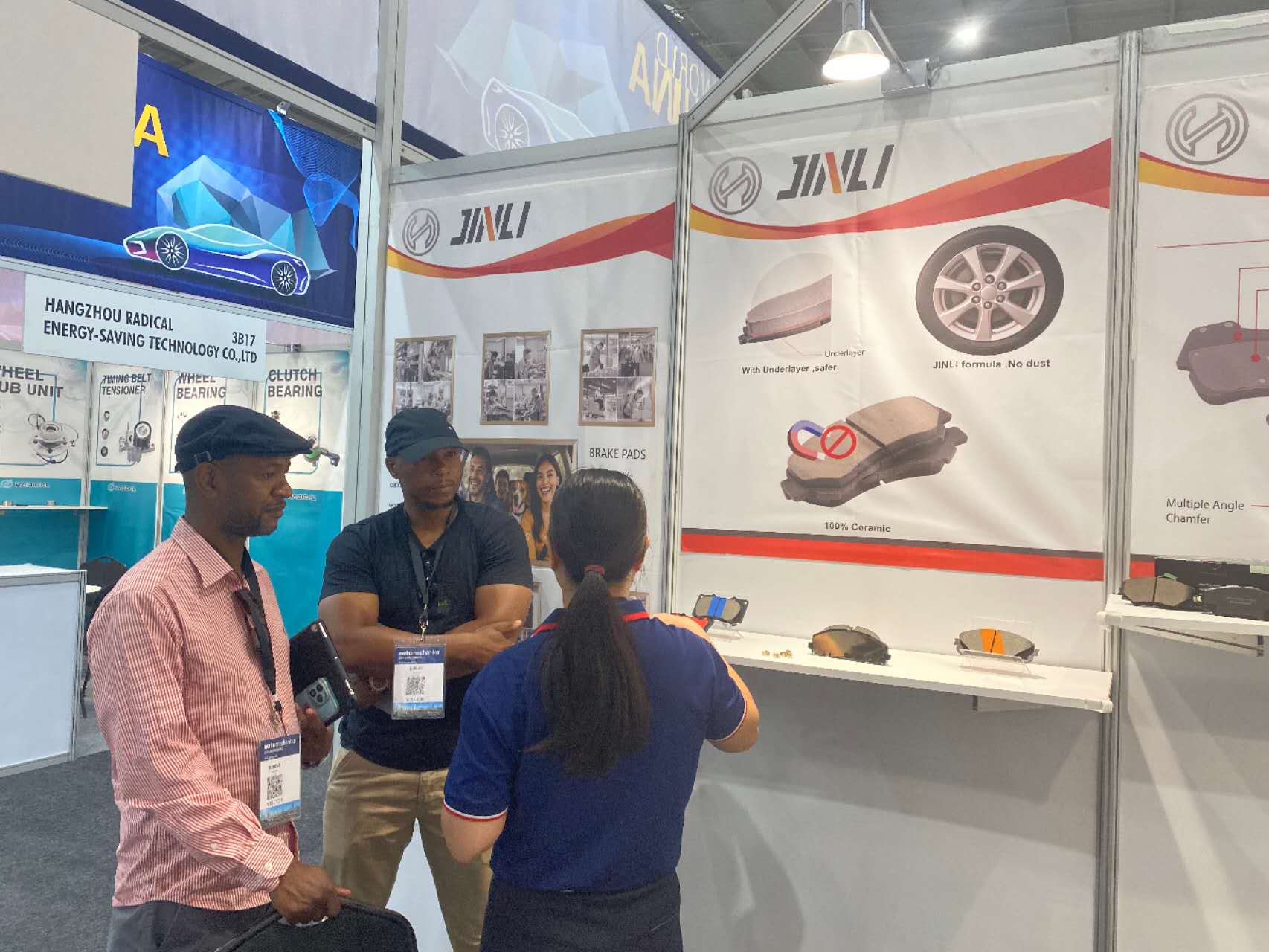
- Semi-Metallic: A mixture of additives and graphite, consisting of 30-65% metals (e.g., steel, iron, copper).
- Low-Metallic (or Low-Met NAO): A hybrid that contains 10-30% metals in an organic base.
- Ceramic: Dense ceramic compounds containing copper fibers to improve heat dissipation and friction.
These materials exhibit a wide range of noise levels. The quietest pads are typically organic or ceramic, as they have the capacity to absorb or reduce vibrations. Metallic pads are noisier because harder metals amplify friction-induced noises. I will conduct a comprehensive analysis of each variety, with a particular emphasis on noise, and subsequently present a comparative table. Data is obtained from expert sources and industry assessments (e.g., 2024 Consumer Reports).
Analyze in Detail
- Organic (NAO) Brake Pads
Organic pads, which are also referred to as NAO pads, are composed of non-metallic, asbestos-free composites that are designed to prioritize comfort and low maintenance. They are supple and flexible, which enables them to effectively absorb vibrations and conform to rotors, resulting in minimal noise generation. They are optimal for urban travel, where frequent low-speed stops could otherwise cause annoyance, as they score 1-2 on a scale of 1-10, with 1 being the quietest.
- What is the reason for the low noise? The high-frequency squeals that are characteristic of harder materials are prevented by the elastic, fibrous composition, which dampens sound waves. They generate a progressive, smooth deceleration sensation without any harsh feedback.
- Compromises: They are silent, but they wear out more quickly (30,000-40,000 miles lifespan) and produce more dust than ceramics, although less than metallics. Under normal circumstances, they function satisfactorily; however, they weaken when subjected to excessive heat or large loads.
- Ideal For: Daily commuters who desire a calm environment at a reasonable price without the need for aggressive driving.
- Ceramic brake pads
Ceramic cushions are designed to deliver exceptional performance by incorporating a dense matrix of ceramic particles that are bonded with copper fibers. This composition generates a friction surface that is stable and resists glazing, thereby reducing rotor contact vibrations and resulting in an exceptionally low noise level (2-3/10). To further mitigate edge squeal, they are frequently chamfered (beveled edges).
- What is the reason for the low noise? The high density and fine, homogenous particle size of the material suppress vibrations at the molecular level, resulting in a greater conversion of energy to heat than to sound. The results of the tests indicate that they reduce noise by 30-50% in comparison to OEM pads under comparable conditions.
- Compromises: Despite their low dust and exceptional longevity (50,000-70,000 miles), they are more expensive and may initially feel less “bitey” in frigid weather, necessitating a brief bedding-in period. They transfer heat efficiently; however, they may cause other components to wear marginally more if they are not paired with compatible rotors.
- Optimal For: Individuals who prioritize a clean, tranquil ride, electric vehicles, or luxury vehicles.
- Brake Pads with Low Metallic Content
Low-metallic pads provide a compromise between pure organics and full metallics by incorporating a small metal content (10-30%) into an organic substrate. The predominant soft organic elements still provide some vibration absorption, resulting in moderate noise levels (4-5/10), which are quieter than semi-metallics.
What is the reason for the moderate noise? The noise-dampening organics are not overpowered by the limited metals, which add durability. However, they may squeak at low velocities if dust accumulates or during wet conditions. In general, they achieve a balance, exhibiting less friction clatter than higher-metal variants.
- Compromises: Their stopping force and all-weather performance are exceptional, particularly during the winter. However, they produce more dust than non-metallics and wear out at a faster rate than ceramics (35,000-45,000 miles). Rotor wear can be classified as minimal to medium.
- Optimal For: Mixed travel in variable climates where performance must not be entirely sacrificed, but quietness is desired.
- Semi-Metallic Brake Pads
Semi-metallic pads are composed of a high percentage of metals, which provides them with a strong bite and robust thermal resistance. This renders them the noisiest option (6-8/10), as the rigid metal fibers establish more direct, high-vibration contact with rotors, frequently leading to perceptible squeals or groans, particularly during initial engagement or in humid environments.
- What is the reason for the high noise? Sound is amplified by the efficient transmission of vibrations to the pad support by metals such as steel and copper. They do not possess the damping softness of organics or the density of ceramics, which results in a “louder ride” during ordinary use.
- Pros and Cons: They are superior in high-heat scenarios (e.g., towing, track days) with a strong initial bite and durability (40,000-50,000 miles). However, they accelerate rotor wear, produce considerable dust, and require more pedal force over time.
- Optimal For: Heavy-duty applications or performance enthusiasts in which power is prioritized over noise.
Comparison Table
| Aspect |
Organic (NAO) |
Ceramic |
Low-Metallic |
Semi-Metallic |
| Noise Level (1-10, 1=quietest) |
1-2 (Quietest, vibration-absorbing) |
2-3 (Very low, dense suppression) |
4-5 (Moderate, balanced damping) |
6-8 (Noisiest, vibration-amplifying) |
| Why This Noise? |
Soft fibers absorb sound waves |
Fine particles minimize friction chatter |
Partial metals add slight squeal |
High metals conduct vibrations |
| Stopping Power |
Medium (fades in heat) |
Medium-High (consistent) |
High (all-weather) |
High (aggressive bite) |
| Durability (Miles) |
30k-40k |
50k-70k |
35k-45k |
40k-50k |
| Dust Production |
Medium |
Very Low |
Medium-High |
High |
| Rotor Wear |
Low |
Very Low |
Low-Medium |
Medium-High |
| Price Range |
$ (Budget) |
$$ $ (Premium) |
$$ (Mid-range) |
$$ (Mid-range) |
| Best Use Case |
City commuting |
Daily/EV luxury |
Variable weather |
Towing/Performance |
*The actual levels of noise may differ by brand (e.g., Akebono ceramics earn lower noise) and installation quality; the noise scale is based on 2024 Consumer Reports tests.
Key Insights and Suggestions
Proper installation (e.g., anti-squeal shims, lubricant on supporting plates) enhances the quietness of any pad, as noise is not merely a nuisance; it can suggest uneven wear or poor bedding-in. Ceramics are superior to organics in terms of overall quiet luxury due to their superior longevity; however, organics prevail in terms of sheer stillness on a budget. Metallics are well-suited to individuals who prioritize stopping over tranquility, as they trade silence for power.
- For Minimal Noise: If your budget permits, select ceramic; otherwise, opt for organic to save money.
- For Balance: Low-metallic is recommended for those who require metallic benefits without incurring full noise consequences.
- Avoid if Noise-Sensitive: Avoid semi-metallics unless necessary in extreme circumstances.
It is imperative to consult the manual of your vehicle, as decibel levels are contingent upon compatibility. Bosch, Wagner, and Power Stop are among the brands that are particularly adept at producing low-noise formulations for a variety of applications. For optimal silent performance, resurface rotors when upgrading.


