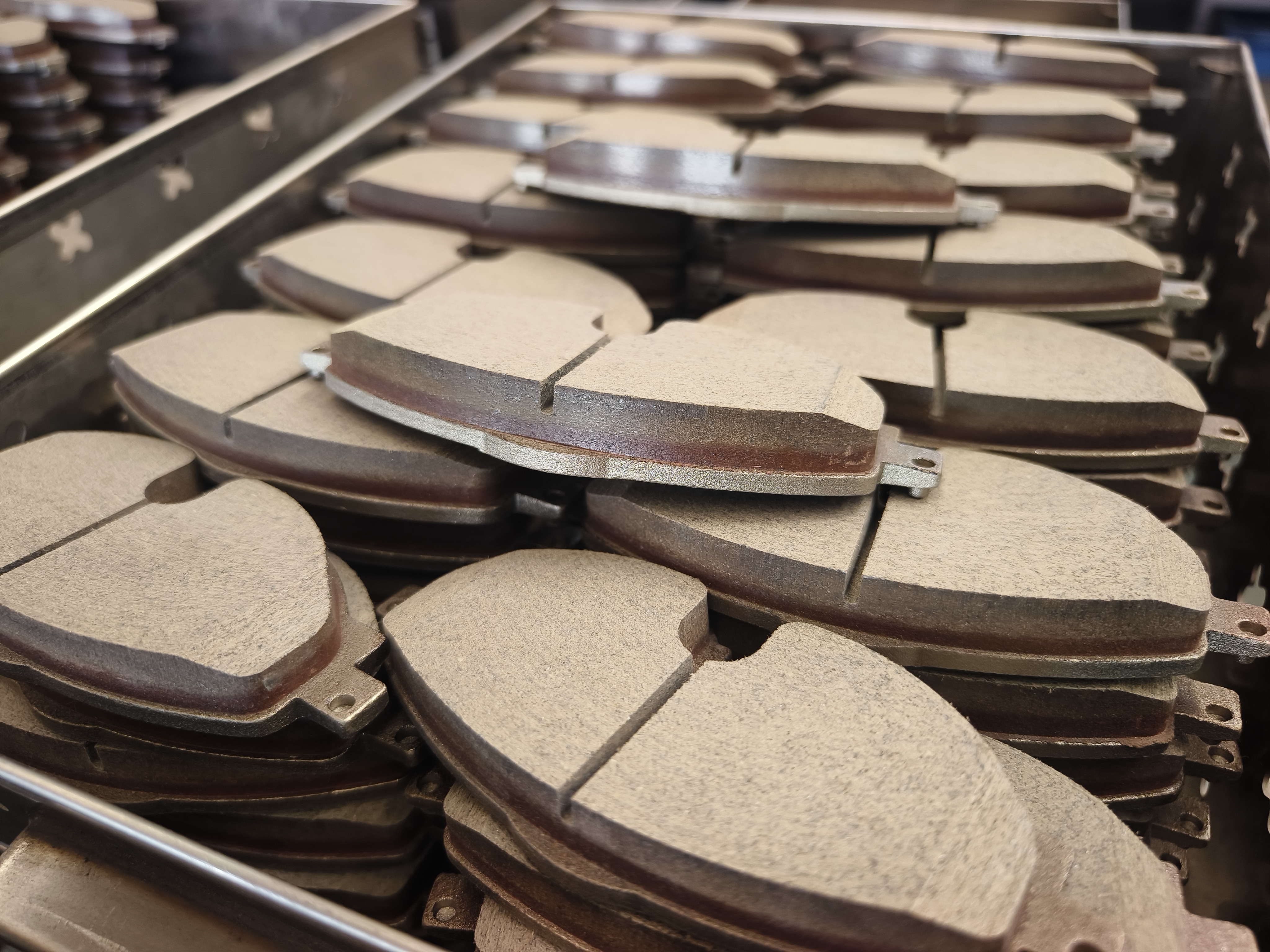
Come to know Australian auto parts and brake pads aftermarket characteristics, the fade issue for brake pads & braking performance. The best quality brake pads for Australian market have excellent braking performance (brake pads friction coefficient above 0.4.), high temperature / fade resistant formula.
Overview of the Australian auto parts marketOverall market size: The automotive aftermarket will reach $5.8 billion in 2023, with brake pads accounting for 12%-15% and a scale of about $700 million
Steady annual growth rate of 6%-8% (driven by car ownership growth and 4WD culture)
Brake pad market characteristics:High dependence on imports (65% in China, 25% in Europe, 10% in others)
There are clear regional differences: coastal cities prefer environmentally friendly products, and inland cities demand heavy products
Analysis of geographical environment and consumer preferencesNorthern tropical climate: high temperature and humidity, corrosion of the accelerated braking system
Central Desert: Sand and dust cause abnormal wear and tear of friction materials
Eastern Mountains: Continuous downhill testing of heat resistance
Representative cities: Sydney congested city road conditions, harbour city, multi-ramp bridges, suitable for low-dust ceramic sheets.
Melbourne's mixed road conditions, rainy and mountainous terrain require brake pads with a high coefficient of friction.
Brisbane has a tropical climate and recommended brake pads to prevent dust problems.
The channel pattern and problemsProportion of sales channels35% for chain maintenance factories (Repco, etc.), 25% for 4S stores, 20% for online workshops, and 20% for independent workshops.
Consumer Pain Point Research:67% of users are concerned about counterfeit products
52% believe that existing products do not have enough life
48% complained about brake noise
Price Sensitivity:City dwellers are willing to pay a 20 percent premium for environmental protection
Users in agricultural and pastoral areas pursue "the lowest cost per kilometer
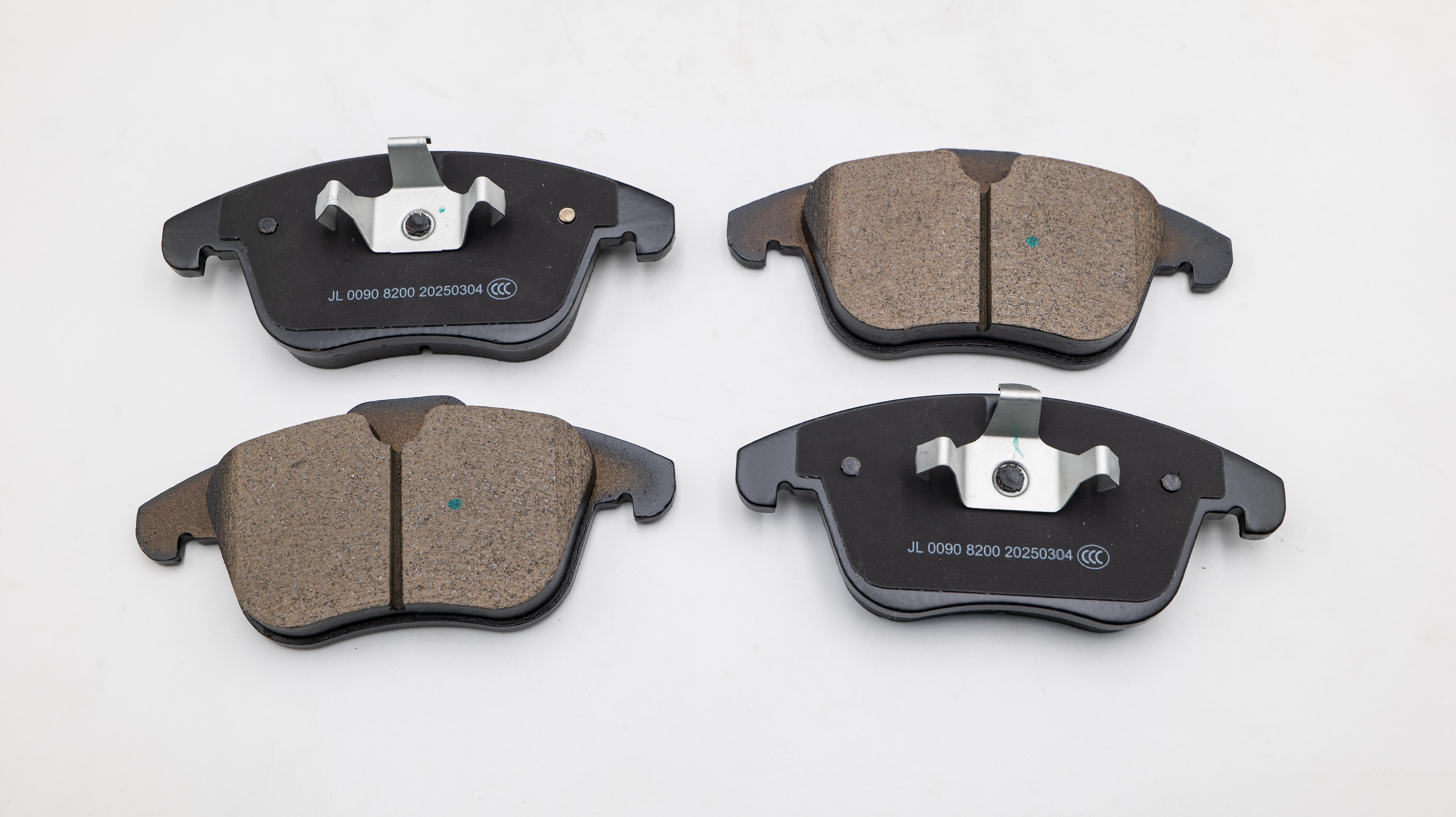 Advantages of brake pads of Jinli factory
The friction material and steel backing are bonded together using a specialized adhesive. During braking, the heat generated can gradually degrade the adhesive over time. Prolonged exposure to high temperatures may cause the glue to fail, potentially leading to delamination or peeling of the friction material.
To address this issue, a base layer is applied between the steel backing and friction material, serving as a protective barrier against heat-induced adhesive failure. While few manufacturers incorporate this base layer process in brake pad production, Jinli prioritizes safety by manufacturing brake pads with this protective layer, ensuring our partners enjoy more secure and reliable braking performance.