
2026-10-19

Because of its sophisticated composition, which reduces vibration and dust accumulation, ceramic brake pads have been known as one of the most silent alternatives available. Ceramic pads provide a more refined and quiet alternative to semi-metallic or organic alternatives, which can make a loud grinding noise or wear out rapidly. But sometimes, under certain circumstances, even these high-quality pads will squeak. Learn more about ceramic brake pad noise—its causes, frequency, and solutions—including why Jinli ceramic brake pads are the best option for silent stopping power—in this comprehensive guide. If you want to keep your drives peaceful and secure, whether you’re a commuter or an enthusiast, you should familiarize yourself with this subject.
The friction material in ceramic brake pads is mostly composed of ceramic fibers and is mixed with non-ferrous fillers such as copper or Kevlar substitutes. When compared to conventional pads, this novel formulation offers numerous benefits:
Ceramic brake pads are a great addition for drivers who want dependable braking that requires no maintenance. Automotive experts say they’re great in regular life, whether you’re zipping through traffic or cruising along the highway. There is still the possibility of squeaking, though, therefore many people look for “ceramic brake pads squeaking fixes.”
Why Are Ceramic Brake Pads Noisy? Deconstructing the Root Causes
Ceramic pads are typically silent, but they can nevertheless make an annoying screech or whistle if you’re not careful. The first step in removing the noise is to understand its underlying sources. A rundown of the most common offenders is as follows:
According to user reports on car-related message boards, this is a typical first gripe. After regular use, many people notice that the noise goes away on its own, particularly when using gentle, gradual braking. Patience is crucial during the break-in window, but you shouldn’t disregard sounds that won’t go away.
Brakes work best when they’re heated, but ceramics can make a little whistling sound on cold mornings or when you gently slow down (like going from 30 mph to a stop). The pad material becomes less malleable at cold temperatures, which increases the amplitude of little vibrations at low pressures.
When driving in urban areas, where stopping at traffic lights is commonplace, this becomes very apparent. Similar points have been made on question and answer sites like Quora, where users have mentioned that applying the brakes firmly a few times helps to reduce noise.
For these pads to achieve maximum silence, there are certain bedding practices that are discussed in enthusiast discussions on dedicated forums. The price to pay for lightning-fast performance? A short time to get your voice in tune.
Chapter 4: The Enemy of Heat in Glazing and Deposits
A glossy, hardened layer can form on the pad surface due to overheating from intense driving; this layer interrupts the smooth contact and causes screeching. This can be made worse by impurities or dust on the rotors, which can lead to uneven friction.
Tire maintenance materials note that this accumulation may be prevented by frequent cleaning, so ceramics can keep their silent promise.
So, rather than being caused by design defects in the pad, squeaking is more often caused by transitional states like bedding, temperature, or surface problems.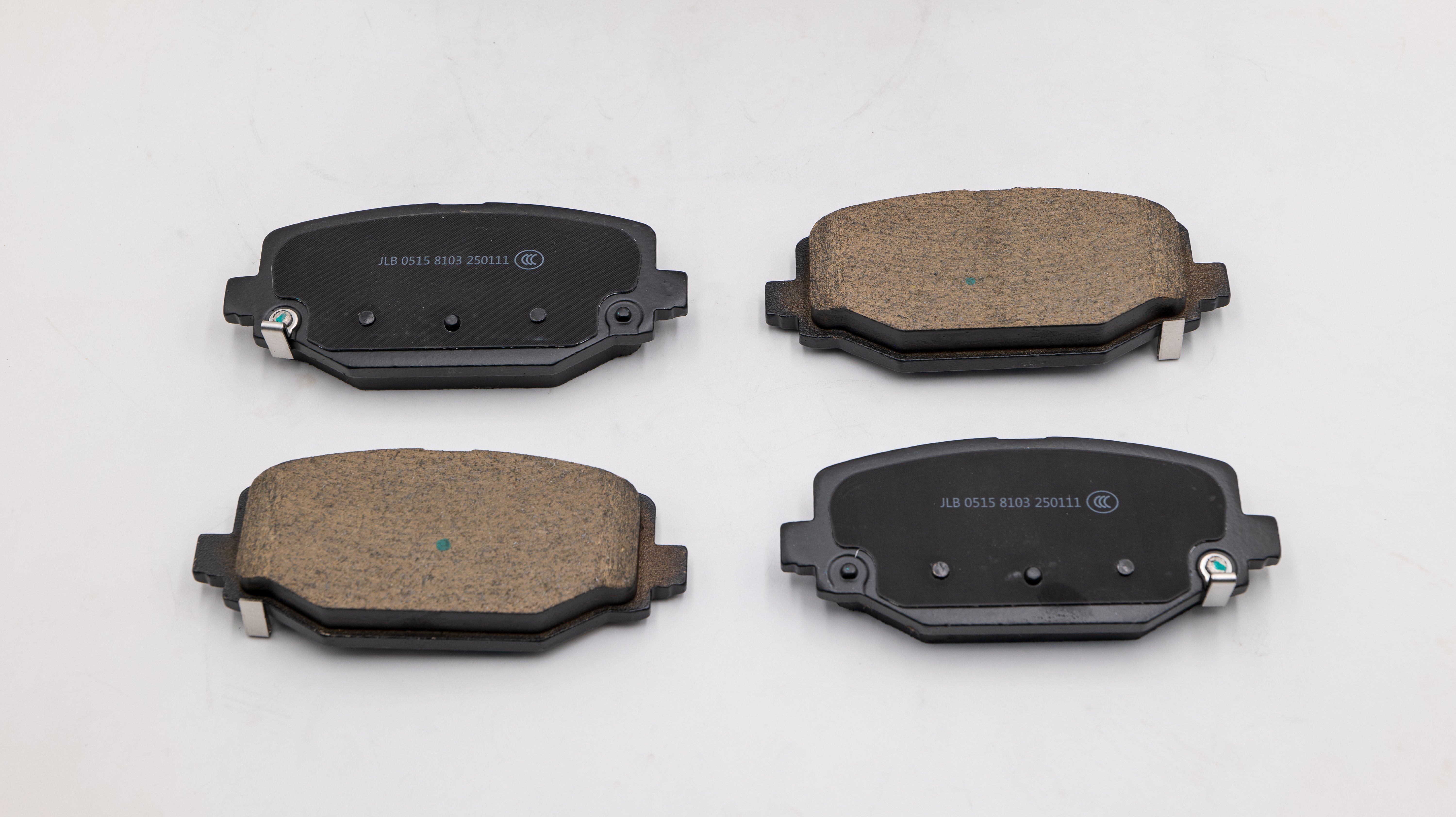
Twenty to thirty percent of ceramic pad installations have squeaking, according to reviews and community aggregates. When it comes to top-tier brands that put an emphasis on noise-vibration-harshness (NVH) testing, this number reduces dramatically. There is a noticeable uptick in complaints after the break-in period, but overall satisfaction levels are much greater, according to performance vehicle forums.
People on message boards and social networking sites stress that there may be some noise, but it won’t be nearly as bad as with metallic pads, which grate constantly. Ceramics live up to the “quiet braking” claims made by most drivers.
The bright side? Simple adjustments, whether done at home or by an expert, can usually fix squeaks. To get the peace and quiet back, follow these steps:
Finish the Bedding Procedure first: For a more organized break-in process, try cycling through 10-15 cycles of mild stops (40 mph to 10 mph) with cooldowns in between. The surfaces are now evened out more quickly.
Clean and Examine Rotors: To eliminate any deposits or glazing, use brake cleaner. A professional resurface (or replacement) is necessary if the rotors are uneven or deformed.
Implement Anti-Squeal Measures: When changing pads, add shims or backing plates to further reduce vibrations. If your setup is prone to noise, these inexpensive add-ons will change the game.
Prepare Your Brakes: Use less braking after a light warm-up with stronger stops if you’re driving in chilly weather. Refer to vehicle-specific burnishing instructions for high-performance ceramics.
If problems continue, try using premium ceramics that have been tested for low noise, such as those that meet SAE J2521 criteria.
You can find effective demonstrations of these remedies in internet videos and tutorials. They often resolve 80% of concerns. Needs to stop squeaking? Always err on the side of caution and have a professional inspect your vehicle for signs of wear or misalignment.
For Quiet Performance, Jinli Ceramic Brake Pads Are the Best
Jinli is at the forefront of ceramic brake pad innovation when it comes to reducing squeaks and increasing reliability. Jinli is a research-based manufacturer that specializes in many lines of products, including dust-free ceramics and carbon-ceramic variations, all of which are engineered to have superior noise, vibration, and heat (NVH) characteristics.
Why is Jinli different? Their brake pads are put through their paces on state-of-the-art dynamometers, which measure noise performance according to SAE J2521 and braking efficiency according to SAE J2522. Reducing vibration and dust is an effective way to eliminate squeaks. Among the main advantages are:
The Dust-Free Formula lessens residue by 90% and stops the buildup of noise-making deposits.
Delivers assured stops free from the harsh feedback of metallics because to its high friction coefficient.
Jinlis boast “near-silent” functioning, even in extreme environments, which drivers much appreciate. For collections such as long-lasting ceramic pads, ideal for daily silent braking, see jinlibrake.com. With a strong emphasis on engineering with minimal noise, Jinli eliminates any possibility of squeaks, supported by data from actual performance.
For miles of delicate buzzing from your ceramics:
Check the pads for even wear every 6,000 miles as part of the Regular Inspections.
Being proactive will allow you to get the most out of ceramic technology and prolong the life of your brakes.
Are ceramic brake pads noisy, then? On occasion, certainly; however, when paired with appropriate expertise, setup, and tested items such as Jinli’s lineup, it becomes a mere incidental detail in an otherwise impressive performance narrative. Stopping power isn’t the only thing these pads are good for; they also provide quiet, dust-free rides so you can concentrate on the road.
Start with a break-in process or thorough cleaning if squeaking is disturbing your peace. When it comes to enhancements, ceramic brake pads from Jinli are a surefire way to get cleaner, quieter braking. Is it time to turn off your brakes? For more information on why high-quality ceramics will revolutionize friction, visit jinlibrake.com today.
Just so you know, this material is just for informative purposes. Whenever you have any issues with your brakes, it is important to seek the advice of a qualified mechanic.*


