
2026-10-19

But don’t worry, brake pads aren’t going away; they’re just changing shape. As we approach October 2025, the brake pad industry is flourishing, with revenues expected to reach $4.35 billion this year alone, growing at a steady 5.28% CAGR through 2030. Traditional pads may appear “normal” in contrast, but advancements such as ceramic formulas and low-emission designs are redefining stopping power. Enter Jinli brake pads, the cutting-edge solution that combines durability, performance, and environmental friendliness for today’s roadways. This essay delves into the facts, drawing on insights from jinlibrake.com: traditional brake pads are not outdated, but they are being outperformed by smarter alternatives.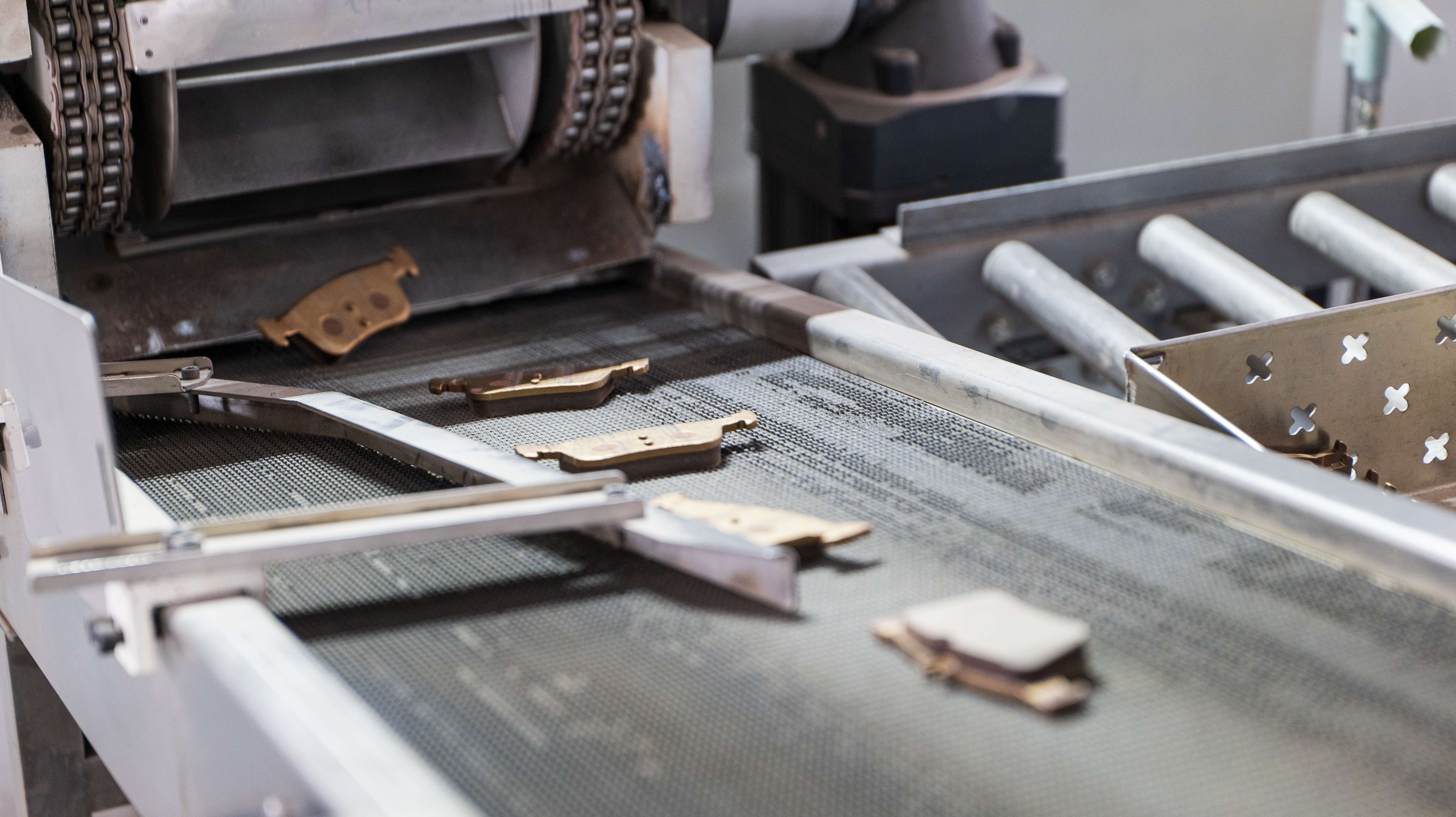
When it comes to braking technology, electric vehicles are the undisputed champions. By 2025, electric vehicles will be more than a trend; they will be transforming the way we stop. Regenerative braking, found in vehicles such as the 2025 Chevrolet Equinox EV and Blazer EV, absorbs kinetic energy during deceleration and returns it to the battery, recovering up to 22% of wasted energy, according to the US Department of Energy. This magic allows friction brake pads to see substantially less activity, significantly extending their lives. In fact, several EV owners report that rear brake pads last more than 100,000 miles with little wear.
But here’s the reality: regeneration systems aren’t perfect. They rely on battery health and software algorithms, which can fail under extreme circumstances such as large loads or snowy roads. Friction brakes serve as a reliable backup, giving the raw stopping force required in an emergency. A report from the industry states, “The future of braking is electric, but regenerative systems are transforming automotive manufacturing while still complementing traditional friction brakes.” Normal brake pads are still required for hybrid and gas-powered vehicles, which continue to account for the majority of automobiles on American roadways.
This transition is not causing traditional pads to become obsolete; rather, it is forcing evolution. Brake-by-wire systems, now standard on many 2025 vehicles, provide faster, more precise control by replacing hydraulic lines with electronic signals. What about the pads themselves? They are adjusting to materials that can withstand less frequent but more intense use. Low-dust ceramic choices, for example, reduce rotor wear and keep wheels cleaner, making them ideal for the stop-and-go urban driving that EVs require.
Fast forward to 2025, and “normal” brake pads—think semi-metallic or organic composites from a decade ago—feel dated. Today’s developments prioritize durability, quiet operation, and sustainability. Ceramic brake pads, formerly considered a luxury, are now commonplace, outlasting semi-metallics by twice the distance: over 100,000 kilometers versus 50,000. These pads feature innovative friction blends that resist fade even after repeated severe braking, which is ideal for trucks and SUVs driving on highways or off-road tracks.
Environmental regulations are also accelerating this transformation. California’s brake pad copper reduction rule, which will be fully implemented by 2025, prohibits high-copper formulations in order to reduce water pollution. Enter low-emission technologies such as Tenneco’s 2025 friction formulations and disc coatings, which are designed to fulfill Euro 7 and China 7 criteria while reducing particle emissions by up to 90%. Galvanized backing plates, another 2025 mainstay, prevent corrosion in humid locations, allowing pads to withstand salty winters without corroding.
For performance fans, high-friction (high μ) ceramics provide superior bite without the screech of previous pads. And in the EV era, these advances shine: less dust equals cleaner sensors for autonomous features, while quieter stops add to the peaceful interior vibe of silent electric motors. The North American automobile brake market reflects this trend, with a value of $3.6 billion in 2024 and a projected 4.8% annual growth rate through 2034.
Why bother upgrading if regular pads are sufficient? Because in 2025, settling for “good enough” means passing up game-changers like Jinli brake pads. Jinli, a ceramic innovation leader (check out the whole lineup at jinlibrake.com), creates pads that not only stop your vehicle, but also improve the overall driving experience.
Take Jinli’s durable ceramic brake pads: Engineered with proprietary blends evaluated on the LINK 3900 Dynamometer, these bad boys have unrivaled lifespan, withstanding heat and wear in harsh circumstances. SAE J2522 certification validates their braking capabilities, assuring consistent performance mile after mile. Ideal for everyday travelers or fleet operators, they minimize replacement frequency by up to 50%, saving time and money.
Is dust plaguing your alloys? Jinli’s Dust-Free Ceramic Brake Pads take that issue square on. They are designed to limit particle production, keeping your wheels showroom-sparkling while adhering to global emission regulations. No more black grime after a weekend drive—just sharp, clean looks that turn heads.
The High μ Ceramic Brake Pads offer powerful stopping power and a high friction coefficient, making them suitable for sporty cars or performance EVs. And don’t overlook the Carbon Ceramic variant: It is the ideal solution for high-heat situations like as track days or pulling large loads because it is infused with carbon fibers for excellent durability. All Jinli pads go through thorough SAE J2521 noise testing, ensuring whisper-quiet operation that rivals regenerative systems.
What sets Jinli apart? Eight formulas for various cars and road types, ranging from urban EVs to tough trucks. These pads, backed by dyno-proven data, are not hype; they are engineered for reliability. Jinli ensures that your brakes stay up with the automotive world’s rush to full electrification by combining friction technology with EV compatibility for easy integration.
Skeptics argue that EVs will render all friction pads obsolete by 2025. Not exactly. Even as regeneration technology advances (imagine AI-optimized energy recovery in next models), friction brakes remain the safety net. A 2025 Subaru Outback owner complained about rear pads weakening after just 9,000 miles, demonstrating that wear patterns remain in non-EV vehicles. Hybrids combine regeneration with standard braking, which requires demanding pads to handle varying loads.
Myths abound, such “Ceramics can’t hack trucks.” Outdated thinking—2025 formulas smash that assumption, providing fade-resistant power for heavy-duty hauls. Brake shoes for drum systems? They fade faster than vinyl records, and disc pads outperform them in terms of heat dissipation and control.
What is the true challenge? Cost. Premium ceramics, such as Jinli’s, are more expensive up front, but they pay off over time. Upgrading by 2025? Consider the benefits of extended life versus the drawbacks of initial investment—large brake kits can cost $1,000 or more, but safety takes precedence above money.
So, would regular brake pads be outdated by 2025? Absolutely not. They are maturing into complex components that complement regen technology, meet strict emissions requirements, and provide whisper-quiet confidence. The market’s growth—from $30 billion globally in 2023 to $45 billion by 2030—demonstrates that demand is still alive and well. But if “normal” means settling for dust, noise, and a limited lifespan, it’s time to step up.
Jinli brake pads symbolize a brighter future: ceramic excellence that is long-lasting, dust-free, and dyno-tested for real-world success. Whether you’re driving an EV through metropolitan streets or a truck down backroads, Jinli makes sure every stop is safe, smooth, and sustainable. Visit jinlibrake.com to get formulas matched to your vehicle—because in 2025, braking is more than just stopping; it’s smart driving.
As linked vehicles and V2X (vehicle-to-everything) connectivity become more prevalent, the future will see even smarter brakes: sensor-laden pads that predict wear via applications. Until then, Jinli is bridging now and tomorrow. Don’t wait for a squeal to urge you to update today, and brake like it’s 2030.


